
 English
 日本語
日本語
 русский
 Español
 عربى
عربى
 italiano
Content
Critical Function and Selection Criteria
The forklift slewing bearing serves as the mechanical interface enabling 360-degree rotation of the mast assembly while supporting combined axial, radial, and moment loads. Properly selected and maintained slewing rings operate reliably for 10,000 to 15,000 hours in standard material handling applications, whereas inadequate specification or neglected maintenance leads to premature failure within 2,000 hours. The bearing must withstand dynamic loads reaching 150% of rated forklift capacity during sudden stops and uneven terrain operations, making load distribution analysis the primary selection determinant.
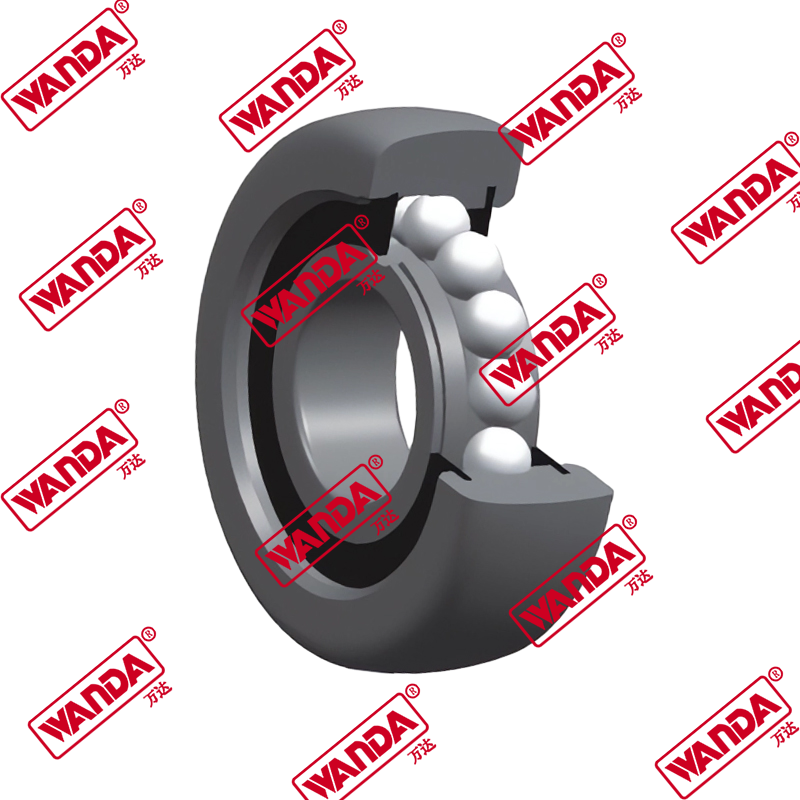
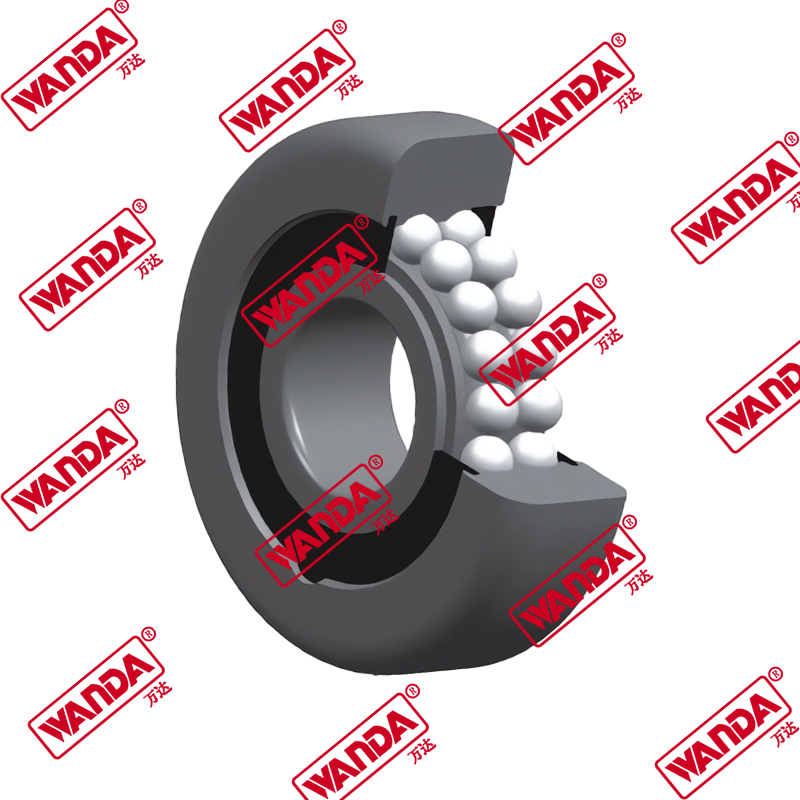
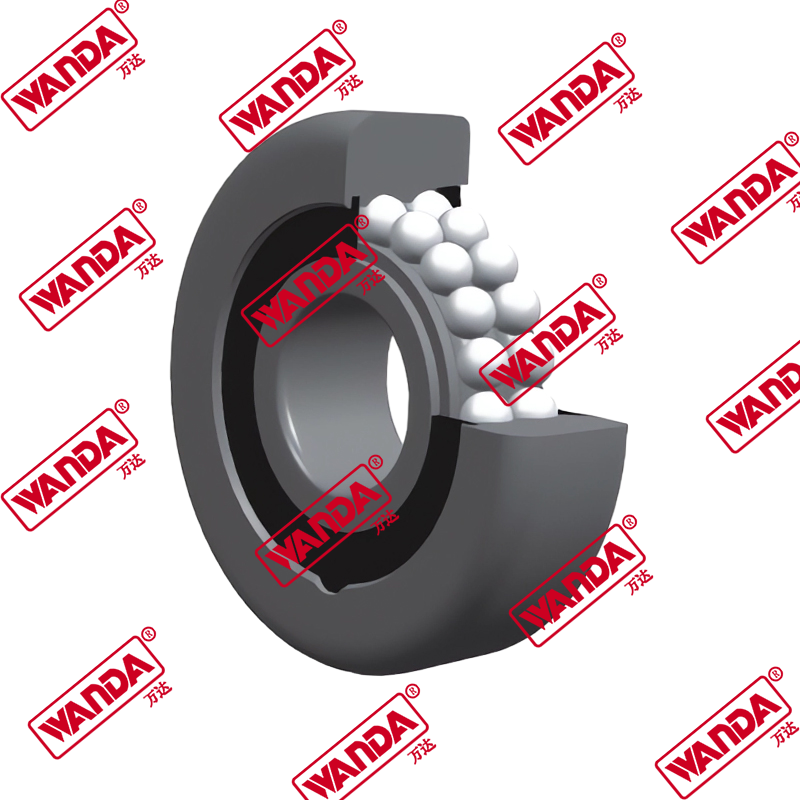
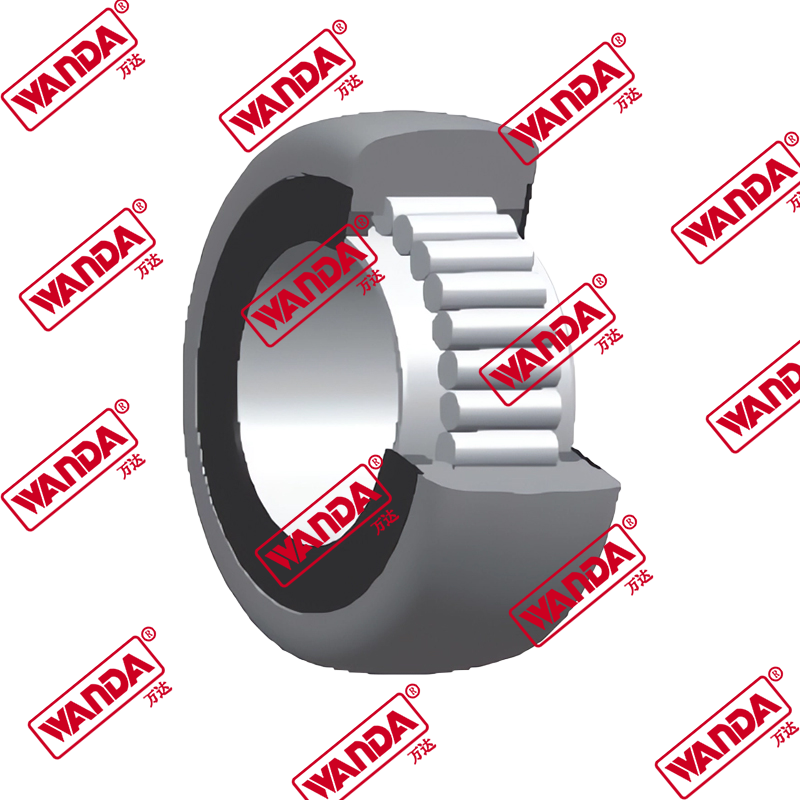
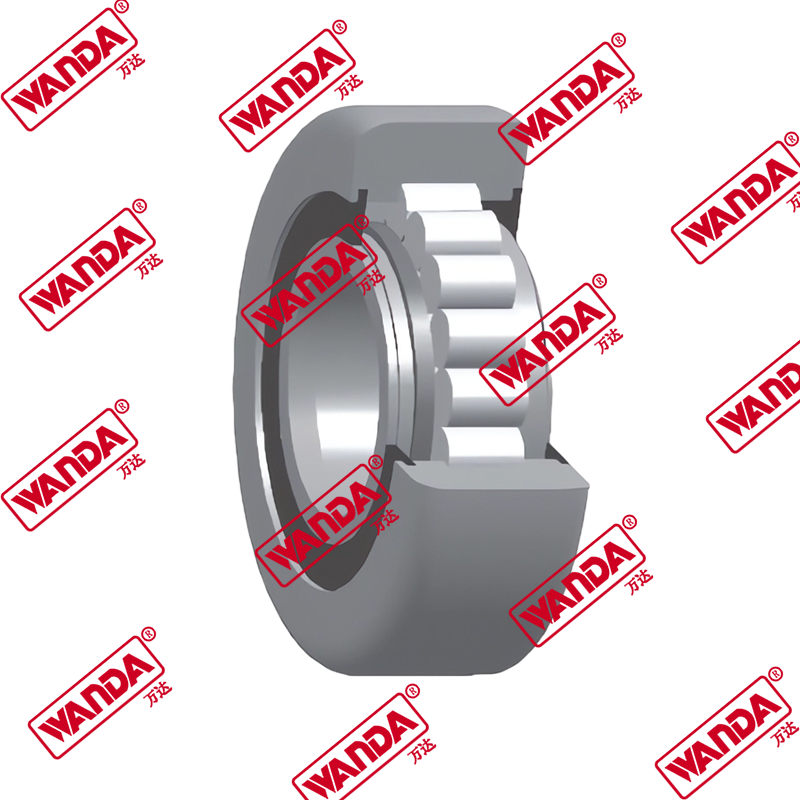
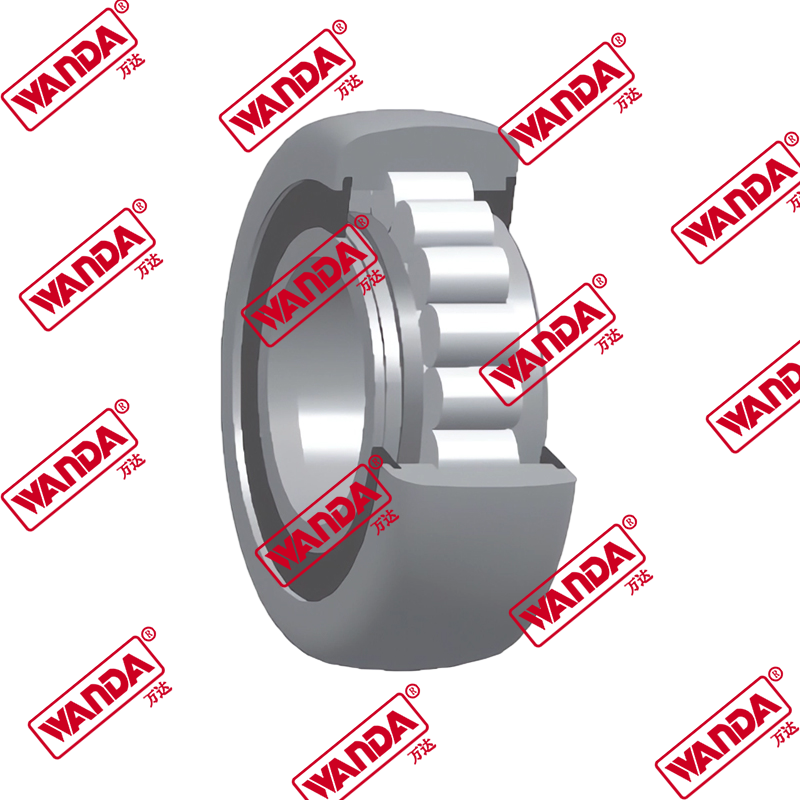
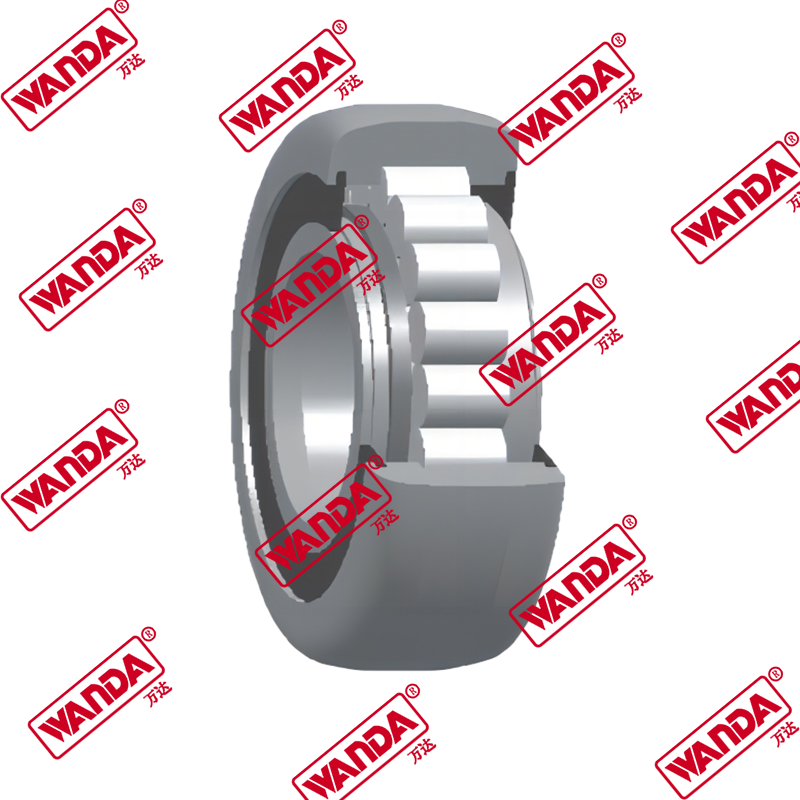
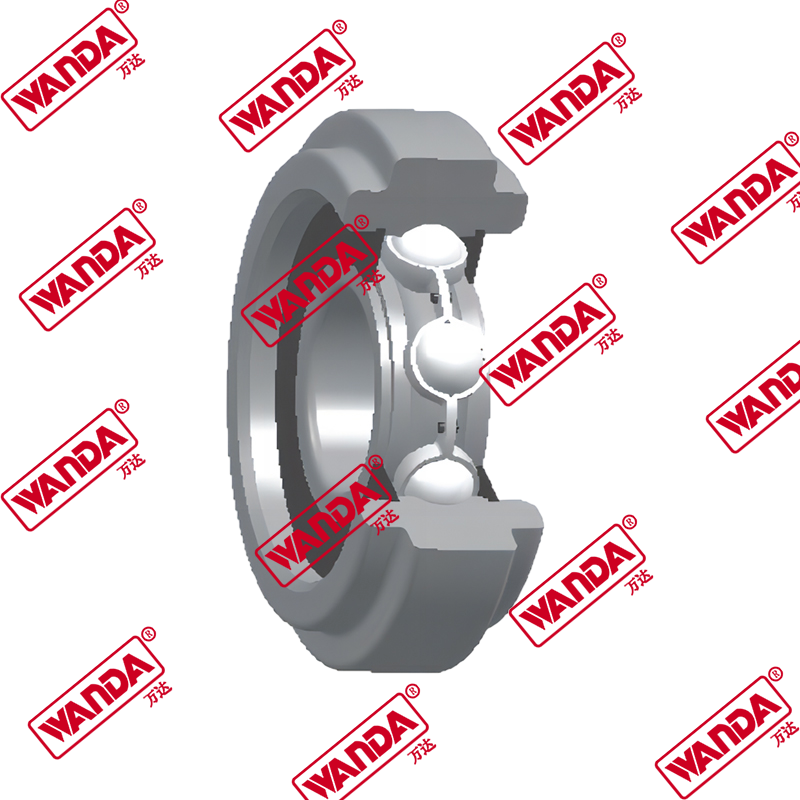
Modern forklift slewing bearings incorporate four-point contact ball designs or crossed roller configurations, with selection depending on precision requirements and load characteristics. Four-point contact bearings dominate the forklift market due to their ability to handle axial loads in both directions plus tilting moments simultaneously, while crossed roller variants appear in high-precision reach trucks requiring minimal rotational play. The bearing raceway hardness typically reaches 55-60 HRC after induction hardening, ensuring sufficient fatigue resistance under cyclic loading conditions.
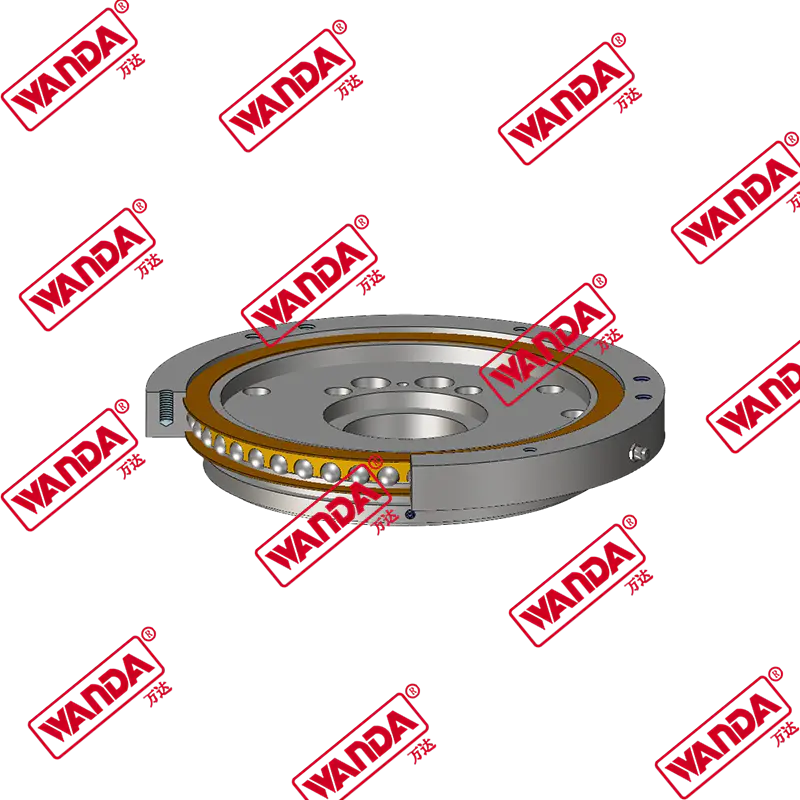
Structural Design and Load Capacity Engineering
Forklift slewing ring design balances compact installation dimensions against load-bearing requirements, with engineering calculations determining optimal ball or roller size, raceway geometry, and gear integration.
Raceway Geometry and Contact Mechanics
The raceway groove curvature radius typically equals 52-54% of the ball diameter for four-point contact designs, creating elliptical contact patches that distribute stress across adequate surface areas. This geometry enables the bearing to support axial loads up to 60% of static load rating while maintaining rotational flexibility. Finite element analysis confirms that raceway contact angles of 45 degrees optimize the balance between axial and radial load capacity for forklift applications where combined loading prevails.
Manufacturing tolerances for raceway positioning demand precision within 0.05 millimeters across the bearing diameter to ensure uniform load distribution. Deviation from this specification creates stress concentrations that accelerate fatigue crack initiation, particularly in the inner ring raceway experiencing higher contact stress cycles.
Integrated Gear Configurations
Most forklift slewing bearings incorporate integral spur gears on the outer ring periphery to facilitate hydraulic motor drive engagement. Gear modules range from 3 to 8 millimeters depending on torque transmission requirements, with tooth hardness matching raceway specifications to ensure comparable service life. Backlash control between 0.15 and 0.25 millimeters prevents excessive play while accommodating thermal expansion during continuous operation.
| Forklift Capacity | Bearing Outer Diameter | Static Load Rating | Ball Diameter | Gear Module |
|---|---|---|---|---|
| 1.5-2.5 tons | 400-500 mm | 45-65 kN | 20-25 mm | 3-4 mm |
| 3-5 tons | 550-700 mm | 80-120 kN | 25-32 mm | 4-5 mm |
| 6-10 tons | 750-950 mm | 150-250 kN | 35-45 mm | 5-6 mm |
| 12-16 tons | 1000-1300 mm | 300-450 kN | 50-60 mm | 6-8 mm |
Material Specifications and Heat Treatment Protocols
Raceway material selection directly determines fatigue life and wear resistance under the rolling contact conditions characteristic of forklift operations.
Raceway Steel Grades and Hardness Profiles
Standard production utilizes 50Mn or 42CrMo alloy steels for the bearing rings, with chemical composition optimized for induction hardening response. The 42CrMo variant offers superior through-hardening characteristics for large-diameter bearings exceeding 800 millimeters, where uniform hardness distribution proves challenging. Carbon content of 0.40-0.50% provides adequate hardness potential while maintaining sufficient toughness to resist brittle fracture under impact loads.
Induction hardening creates a hardened case depth of 3-5 millimeters with surface hardness of 55-60 HRC, transitioning to core hardness of 25-30 HRC. This hardness gradient accommodates the Hertzian contact stresses reaching 2,000 MPa at the raceway surface while maintaining structural integrity in the ring body. Tempering at 180-220 degrees Celsius following quenching relieves residual stresses without significant hardness reduction.
Rolling Element and Cage Materials
Bearing balls utilize 100Cr6 bearing steel (SAE 52100) with through-hardening to 60-64 HRC, ensuring slightly higher hardness than the raceway to distribute wear preferentially to the replaceable rolling elements rather than the integral rings. Separator cages in forklift applications typically employ steel or brass construction rather than polymer alternatives, prioritizing durability in environments with hydraulic oil exposure and temperature variations from -20 to 80 degrees Celsius.
Installation Procedures and Alignment Requirements
Proper installation determines achievable service life more significantly than bearing manufacturing quality, with 70% of premature failures attributable to fitting errors rather than material defects.
Mounting Surface Preparation and Flatness Control
The supporting structure must present flatness within 0.15 millimeters across the bearing mounting diameter, verified using precision straightedges or blue contact testing. Local irregularities create ring distortion under bolt preload, altering internal clearance and generating abnormal load distributions. Surface roughness requirements of Ra 3.2 micrometers ensure adequate contact without excessive machining costs.
Frame stiffness analysis must confirm deflection under maximum rated moment remains below 0.1 degrees angular distortion to prevent binding and accelerated wear. Reinforcement plates or box-section construction typically achieves this requirement in forklift mast mounting structures.
Bolt Preload and Torque Sequencing
High-strength bolts of grade 10.9 or 12.9 property class secure the bearing rings, with preload calculated to generate sufficient friction resistance against operational moments while avoiding ring deformation. Standard practice specifies bolt preload stress at 75% of yield strength, requiring torque-angle tightening methods rather than simple torque wrenches to achieve consistency.
Tightening sequences follow star patterns in three stages (30%, 70%, 100% of final torque) to distribute clamping forces uniformly. Torque verification checks after 50 operating hours address relaxation from initial embedment, with subsequent inspections at 500-hour intervals.
Lubrication Systems and Maintenance Protocols
Continuous lubrication film maintenance between rolling elements and raceways prevents metal-to-metal contact and pitting fatigue, with grease selection adapted to operational speeds and environmental contamination exposure.
Grease Selection and Relubrication Intervals
Lithium complex greases with NLGI 2 consistency grade and base oil viscosity of 100-150 cSt at 40 degrees Celsius suit typical forklift applications. Extreme pressure additives (sulfur-phosphorus compounds) accommodate the boundary lubrication conditions during start-stop operations. Relubrication intervals of 250-500 operating hours maintain adequate film thickness, with intervals halved in dusty environments or high-humidity conditions.
Grease quantity calculation follows the formula: G = 0.005 x D x B (where G is grams, D is bearing outer diameter in millimeters, B is total width in millimeters) for initial fill, with 30% of this quantity added at each relubrication cycle to purge contaminated lubricant.
Sealing Systems and Contamination Exclusion
Rubber lip seals or labyrinth shields prevent ingress of dust, water, and process contaminants that cause abrasive wear and lubricant degradation. Seal materials specified as nitrile rubber (NBR) or fluorocarbon (FKM) withstand hydraulic oil exposure and temperature extremes. Seal replacement becomes necessary when lip wear exceeds 0.5 millimeters or when grease contamination analysis reveals particle counts above ISO 4406 code 18/16/13.
Failure Mode Analysis and Diagnostic Techniques
Systematic condition monitoring enables predictive maintenance interventions before catastrophic failures disable forklift operations.
Common Degradation Mechanisms
Fatigue spalling initiates at subsurface stress concentrations after 10^7 to 10^8 stress cycles, appearing as surface pitting that progresses to material removal. Excessive preload or contamination accelerates this process by elevating contact stresses. Abrasive wear dominates in dusty warehouse environments, with hard particles embedding in the grease film and creating three-body wear conditions.
Corrosion occurs in food processing or cold storage applications where condensation accumulates in the bearing cavity, etching raceway surfaces and destroying lubricant film integrity. Fretting corrosion at mounting interfaces results from micro-movement under cyclic loading when bolt preload proves insufficient.
Condition Monitoring Implementation
Vibration analysis using accelerometers mounted on the bearing outer ring detects raceway defects through characteristic frequency analysis. Ball pass frequencies for inner and outer raceways calculate from bearing geometry and rotational speed, with amplitude increases of more than 3 dB above baseline indicating incipient failure. Thermographic inspection identifies lubrication deficiencies through localized temperature elevations exceeding 15 degrees Celsius above ambient.
Operational monitoring includes checking for increased rotational resistance, audible irregularities during mast slewing, and visible grease leakage indicating seal compromise. Replacement planning should initiate when diagnostic indicators suggest remaining useful life below 500 hours to prevent unplanned downtime.