
 English
 日本語
日本語
 русский
 Español
 عربى
عربى
 italiano
Content
- 1 What Is a Forklift Mast Roller Bearing
- 2 Types of Forklift Mast Guide Bearings and Rollers
- 3 Design Features and Engineering Specifications
- 4 Load Dynamics and Failure Mechanisms
- 5 Installation and Maintenance Protocols
- 6 Selection Criteria and Sizing Methodology
- 7 Technological Developments and Innovations
What Is a Forklift Mast Roller Bearing
A forklift mast roller bearing is a specialized heavy-duty rolling element designed to guide and support the vertical movement of forklift masts while managing complex load combinations. These bearings function as critical components in the mast assembly, enabling smooth extension and retraction of inner and outer mast sections under loaded conditions. Unlike standard bearings, mast roller bearings must simultaneously accommodate radial loads from the lifted weight, axial thrust from mast tilting, and moment loads created by load center distances.
The operational environment subjects these bearings to extreme stress cycles, with typical forklifts experiencing 500,000 to 2,000,000 load cycles annually depending on shift intensity. Mast roller bearings operate in contaminated conditions exposed to dust, moisture, hydraulic fluid, and temperature variations from -20°C to 60°C. This demanding service profile requires specialized designs distinct from industrial bearings used in cleaner, more controlled environments.
Types of Forklift Mast Guide Bearings and Rollers
Forklift mast systems utilize multiple bearing configurations addressing different load paths and motion requirements. Understanding these distinct types enables proper identification for maintenance and replacement.
| Bearing Type | Primary Function | Typical Load Range | Common Dimensions |
|---|---|---|---|
| Mast Guide Roller | Vertical guidance | 5,000-25,000 N | 50-120mm diameter |
| Side Roller Bearing | Lateral stability | 8,000-40,000 N | 60-150mm diameter |
| Chain Sheave Bearing | Lift chain guidance | 10,000-50,000 N | 80-200mm diameter |
| Carriage Roller | Fork carriage support | 15,000-60,000 N | 70-180mm diameter |
| Thrust Bearing | Axial load management | 20,000-80,000 N | 40-100mm bore |
Mast Guide Rollers
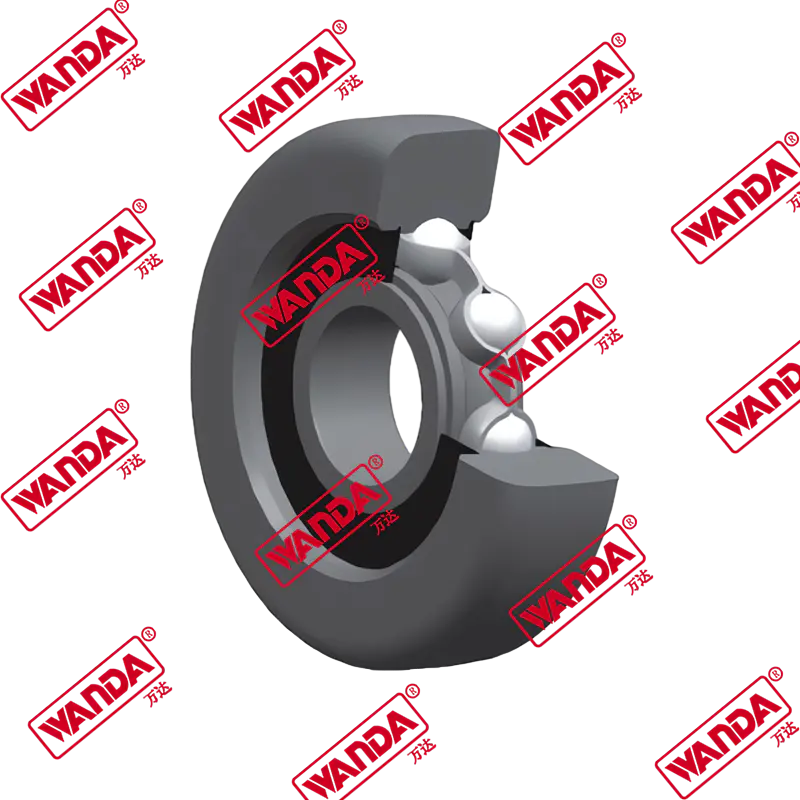
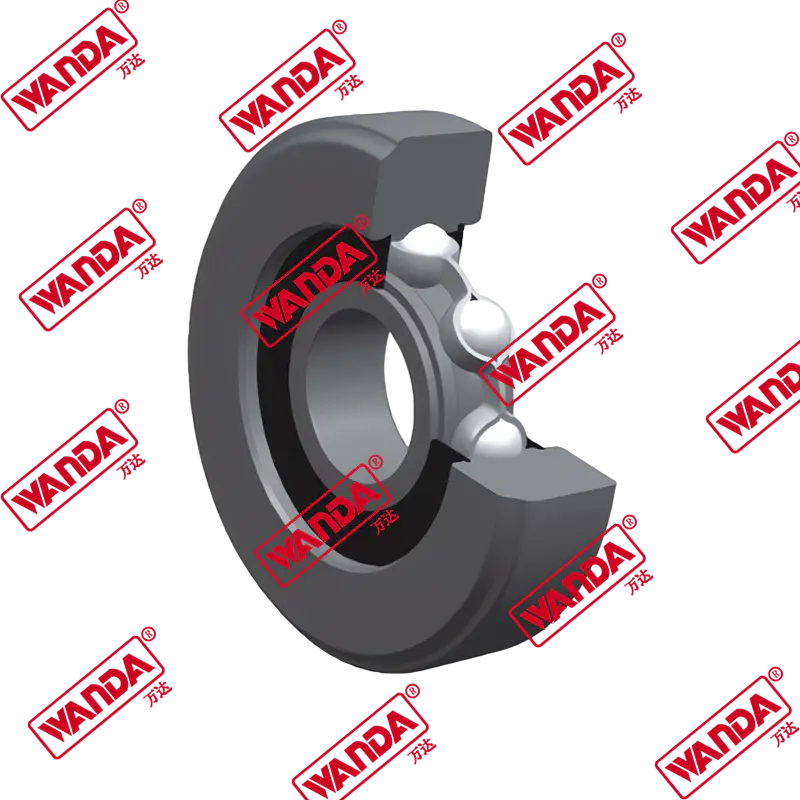
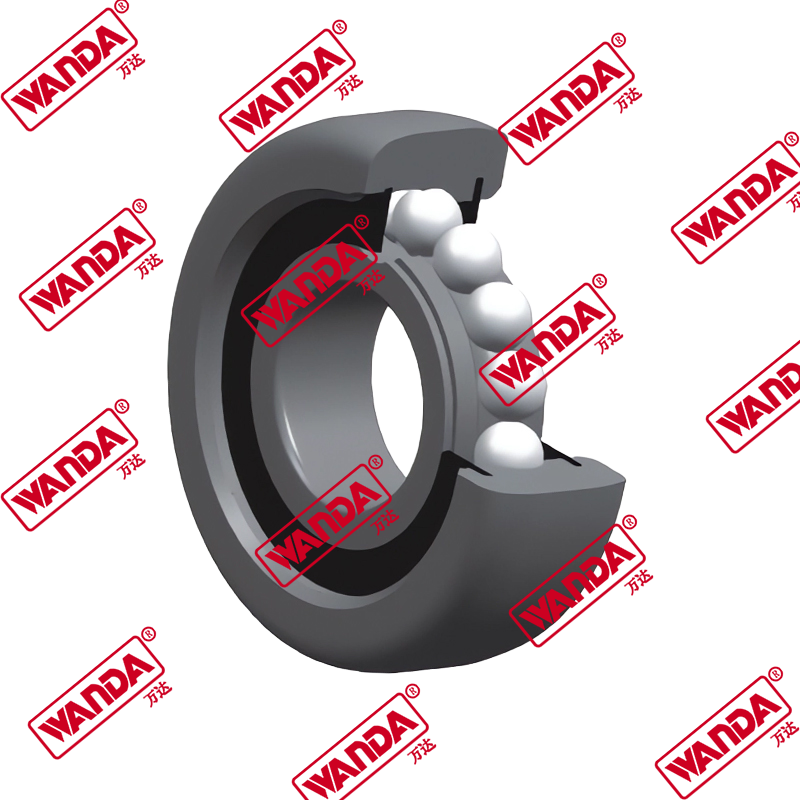
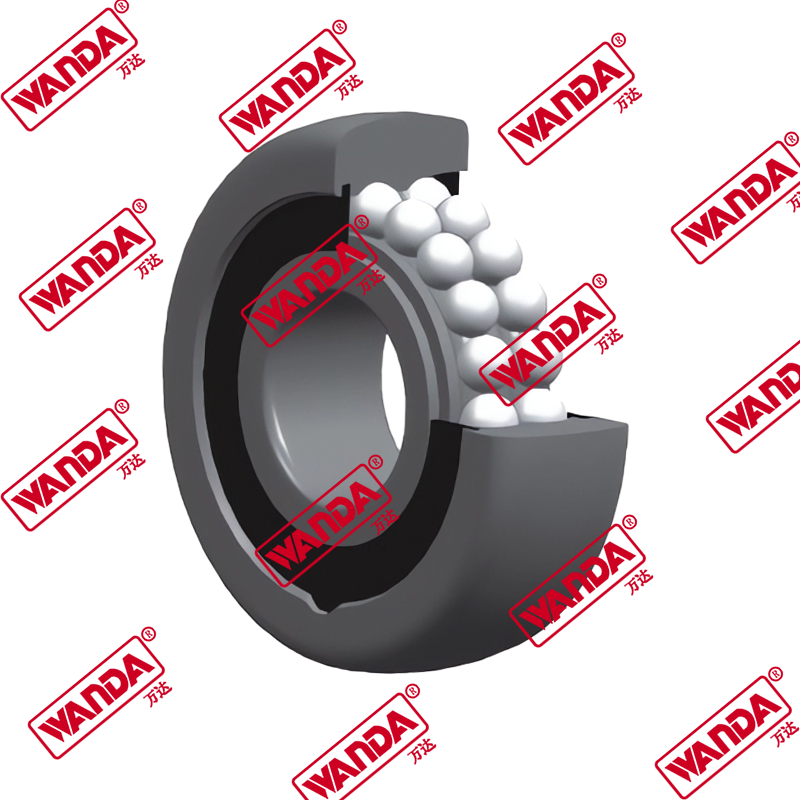
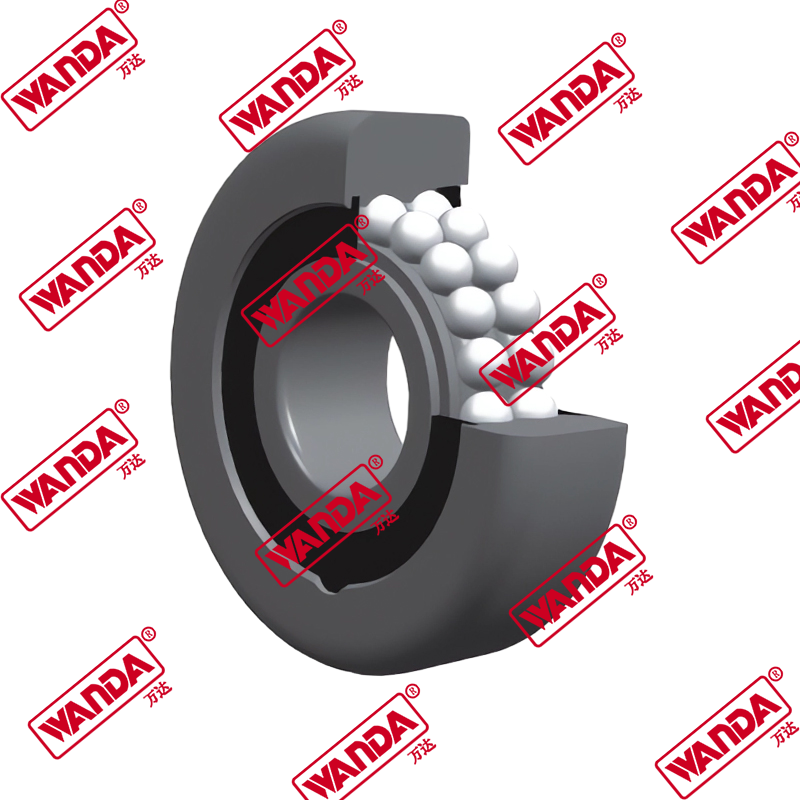
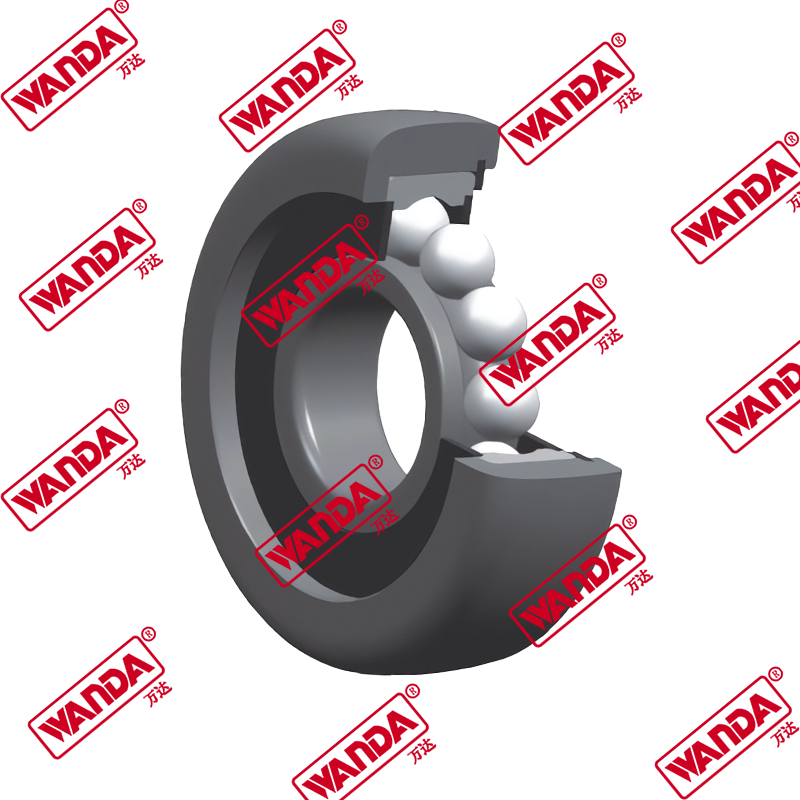
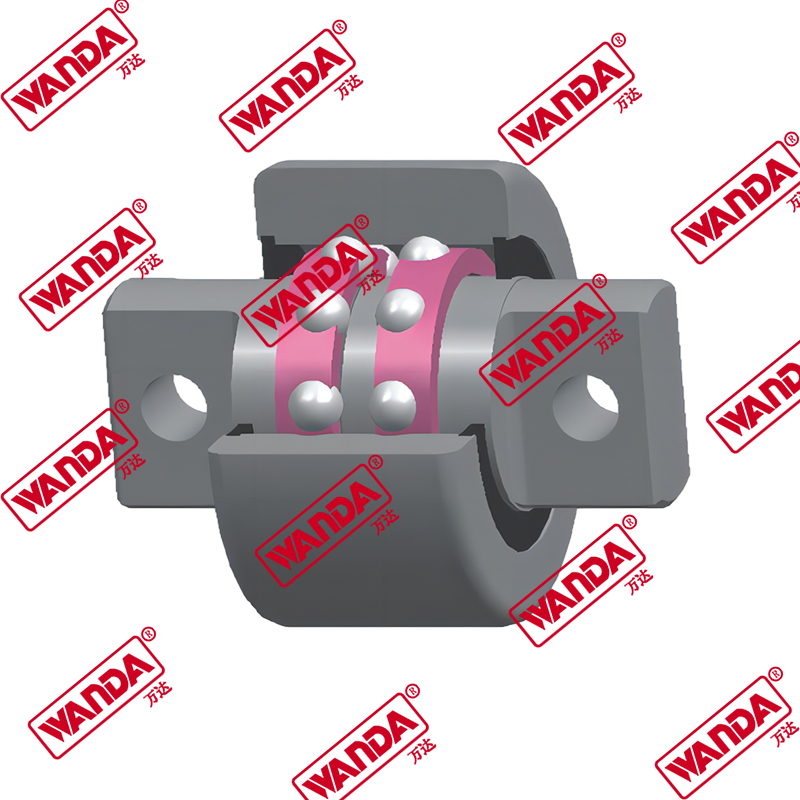
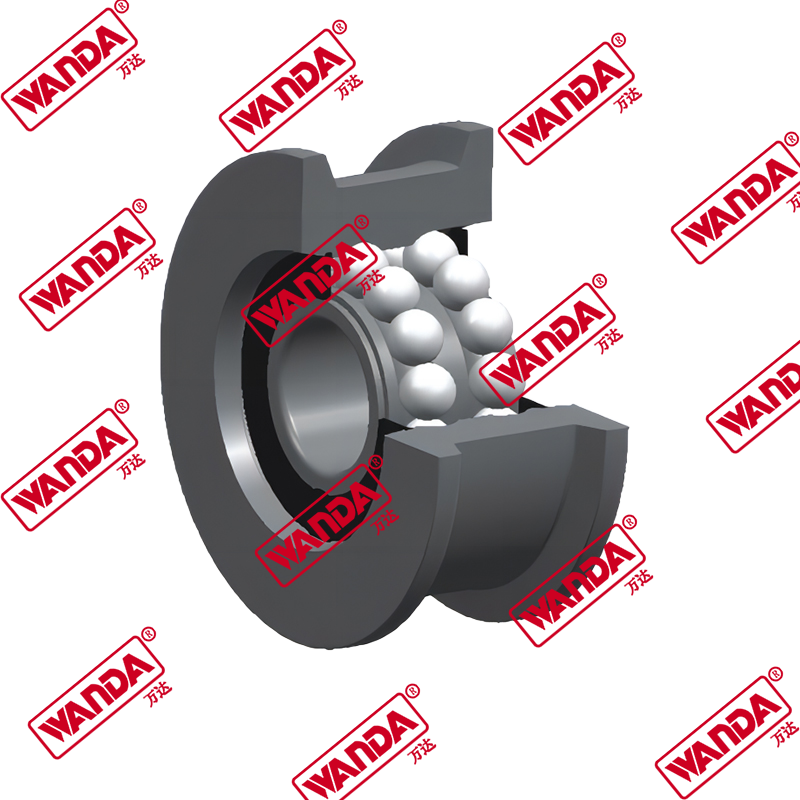
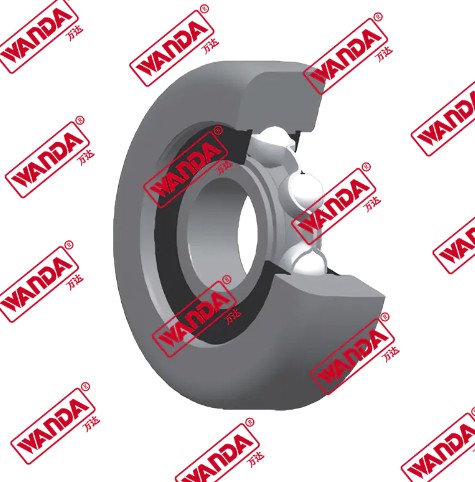
Mast guide rollers, also designated as mast guide bearings, constitute the primary vertical guidance elements. These units feature thick-walled outer rings functioning as rolling surfaces against steel mast channels, eliminating the need for separate inner rings on standard shafts. The integrated design accommodates high radial loads with limited installation space. Outer ring profiles may be flat, crowned, or cylindrical depending on mast channel geometry, with crowned profiles compensating for minor misalignment and reducing edge loading.
Side Roller Bearings
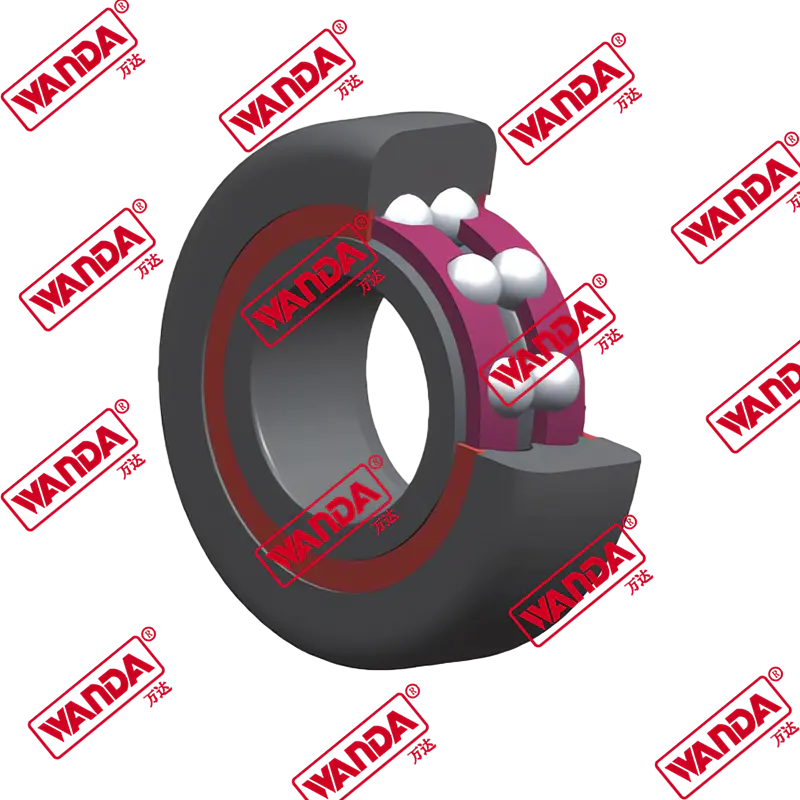
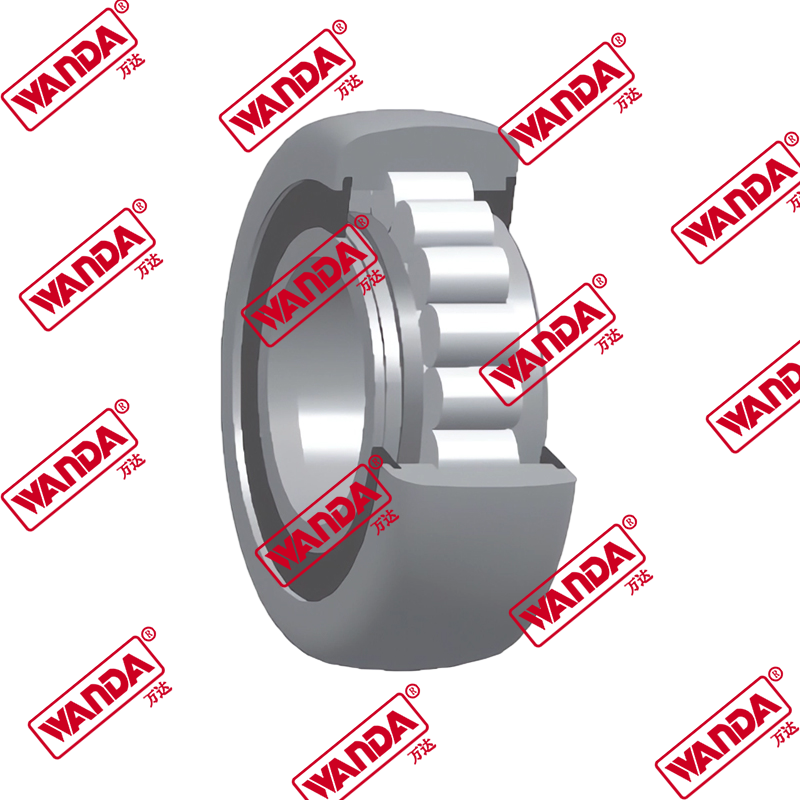
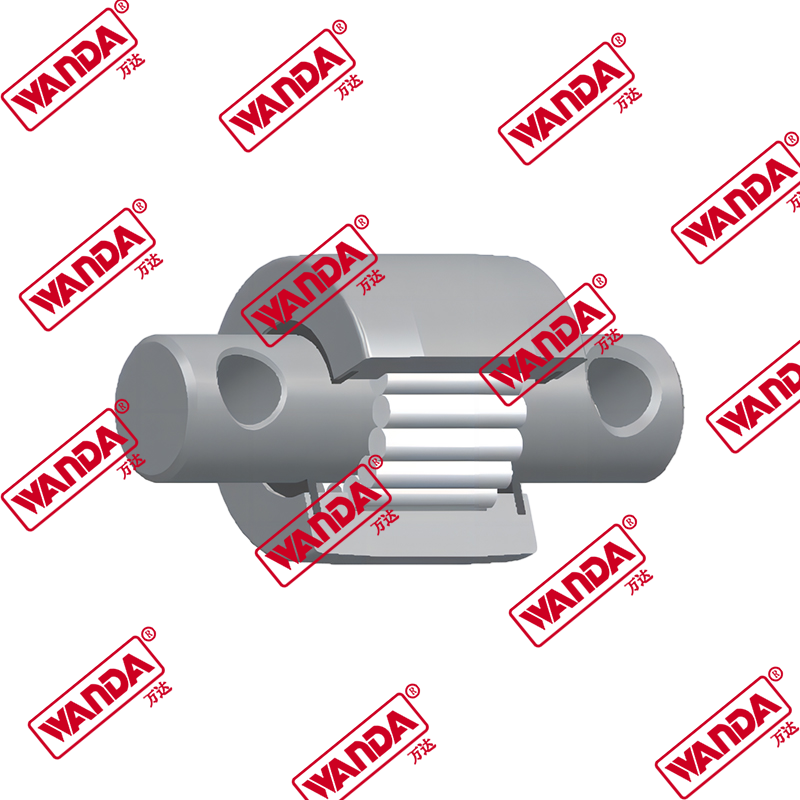
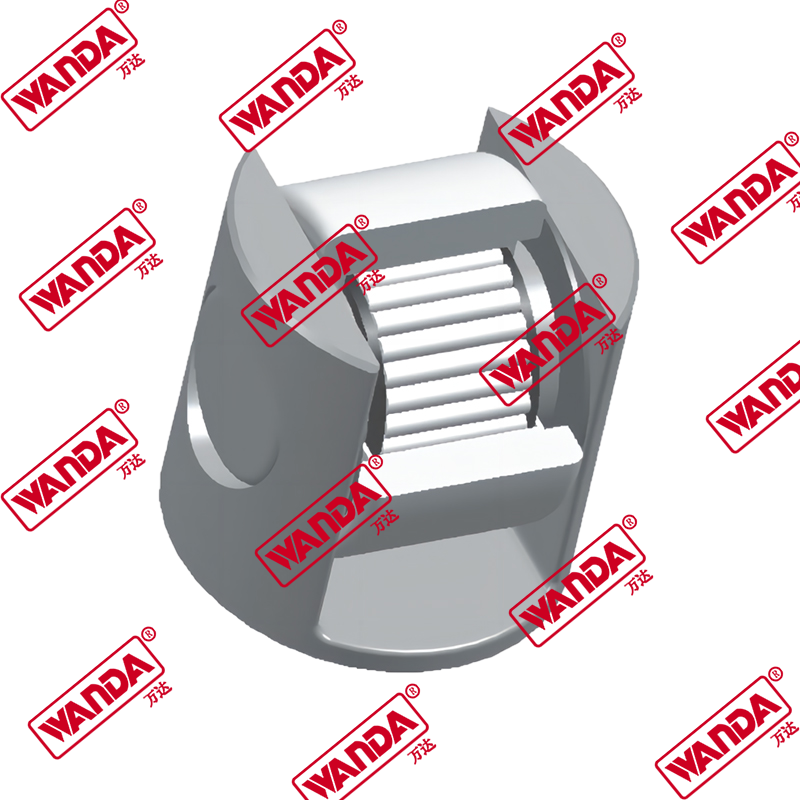
Side roller bearings manage lateral forces generated during load handling, mast tilting, and travel over uneven surfaces. These bearings experience intermittent shock loading when forklists encounter floor irregularities or braking forces. Construction features include reinforced outer rings, heavy-duty seals, and increased roller complement compared to guide rollers. Some designs incorporate needle roller and cage assemblies within thick outer rings to maximize load capacity in constrained radial envelopes.
Design Features and Engineering Specifications
Forklift mast roller bearings incorporate specialized design elements addressing the unique demands of materials handling equipment.
Material Selection and Heat Treatment
Rings and rollers utilize bearing steel grades such as 100Cr6 or 52100 with carbon content of 0.95-1.05%, providing hardness of 58-64 HRC after through-hardening or case-hardening processes. Case-hardening to depths of 1.5-3.0mm offers optimal combination of wear-resistant surfaces and tough cores resisting impact fracture. Advanced formulations include carbonitriding surface treatments increasing fatigue life by 30-40% in contaminated environments.
Seal and Lubrication Systems
Multi-lip contact seals manufactured from nitrile rubber (NBR) or polyurethane exclude contaminants while retaining lithium-complex or calcium-sulfonate greases. Some heavy-duty variants feature labyrinth seals with centrifugal flingers that actively expel debris during rotation. Factory-filled lubrication quantities are calculated for 2,000 to 4,000 operating hours between maintenance intervals, though severe applications may require more frequent servicing.
Internal Clearance and Tolerance Classes
Mast roller bearings typically utilize C3 or C4 radial internal clearance groups accommodating thermal expansion and heavy interference fits on shafts. Outer ring tolerances are controlled to h6 or g6 fits ensuring proper clearance in mast channels without excessive looseness causing vibration. These specifications differ from standard industrial bearings using tighter CN or C2 clearances, reflecting the heavy-load, moderate-speed operating regime of forklift applications.
Load Dynamics and Failure Mechanisms
Understanding how mast roller bearings experience and manage loads explains common failure modes and informs predictive maintenance strategies.
Combined Loading Scenarios
During normal lifting operations, mast guide rollers experience pure radial load equal to the lifted weight divided by the number of supporting rollers. However, mast tilting introduces axial thrust components reaching 20-30% of radial load depending on tilt angle. Travel over uneven surfaces generates moment loads and shock forces exceeding static ratings by 150-200%. These combined loading conditions require bearings with high static load capacity margins and robust cage designs preventing roller skew under uneven load distribution.
Common Failure Modes
Fatigue spalling of raceways constitutes the normal failure mode after achieving design life, appearing as subsurface-initiated pitting that progresses to surface flaking. Premature failures result from contamination causing abrasive wear, inadequate lubrication leading to adhesive wear and scoring, or corrosion from moisture ingress past damaged seals. Misalignment-induced edge loading creates localized stress concentrations manifesting as raceway grooves at roller contact boundaries. Impact damage from mast collision produces brinelling indentations that become stress risers for subsequent fatigue propagation.
Installation and Maintenance Protocols
Proper installation and systematic maintenance maximize bearing service life and prevent catastrophic mast failures that could result in load drops or tip-overs.
Installation Procedures
Mast roller bearing installation requires hydraulic presses or specialized pullers ensuring square application of mounting force. Direct hammer blows fracture bearing rings and must be avoided. Shaft surfaces require inspection for scoring or corrosion pitting exceeding 0.05mm depth; damaged shafts necessitate replacement or machining and sleeving. Interference fits of 0.02-0.05mm are standard for shaft mounting, achieved through selective fitting or heating bearings to 80-100°C for thermal expansion. Mast channels must be cleaned of rust and debris, with wear limits typically set at 0.5mm depth for roller contact surfaces.
Lubrication Maintenance
Regreasing intervals depend on operating intensity and environment, ranging from 250 hours in clean indoor applications to 50 hours in outdoor construction or recycling operations. Compatible greases maintain NLGI 2 consistency with base oil viscosity of 100-150 cSt at 40°C. Grease quantities follow manufacturer specifications overfilling causes seal damage and temperature elevation while underfilling accelerates wear. Purge procedures remove contaminated old grease through relief fittings before fresh grease injection.
Inspection Criteria
Monthly inspections assess seal integrity, lubricant condition, and radial clearance increases exceeding 0.2mm indicating wear. Visual examination identifies outer ring scoring, corrosion, or cracking. Operational checks detect roughness, vibration, or noise during mast movement suggesting internal damage. Replacement is mandatory when radial clearance exceeds 0.5mm or when fatigue spalling covers more than 5% of raceway surface area.
Selection Criteria and Sizing Methodology
Proper bearing selection requires analysis of load conditions, speed requirements, and environmental factors specific to the forklift application.
Dynamic and Static Load Ratings
Bearing selection begins with calculation of equivalent dynamic load considering actual radial and axial forces. Safety factors of 1.5 to 2.0 apply to rated dynamic capacity ensuring 10,000 to 20,000 hours of L10 bearing life under normal conditions. Static load verification ensures bearing capacity exceeds maximum expected loads including shock factors, with static safety factors minimum 2.0 for smooth operation and 3.0 for applications with vibration or impact.
OEM versus Aftermarket Considerations
Original equipment manufacturer bearings match specific mast designs with optimized profiles and load distributions. Aftermarket alternatives must demonstrate dimensional interchangeability and equivalent or superior load ratings. Premium aftermarket manufacturers provide bearings meeting ISO 281 and DIN 620 standards with documented material certifications and testing protocols. Cost savings of 20-40% versus OEM parts are achievable without reliability compromise when selecting established bearing specialists over generic suppliers.
Technological Developments and Innovations
Advancements in materials engineering and manufacturing processes continue improving mast roller bearing performance and service intervals.
Ceramic and Hybrid Designs
Silicon nitride ceramic rolling elements in hybrid bearings reduce weight by 60% compared to steel rollers, decreasing centrifugal forces and enabling 20-30% higher speed capability. Ceramic hardness of 78 HRC provides superior wear resistance in contaminated environments, extending service life by 2-3 times in severe applications. Electrical insulation properties prevent stray current damage in electric forklifts with potential grounding issues through mast structures.
Integrated Sensor Systems
Smart bearings incorporating vibration sensors and temperature monitors enable condition-based maintenance replacing fixed-interval servicing. Wireless data transmission to fleet management systems alerts maintenance personnel to developing issues before functional failure. These systems reduce unplanned downtime by 40-60% and optimize grease consumption through actual condition monitoring rather than conservative time-based schedules.
Surface Engineering Advances
Diamond-like carbon (DLC) coatings on outer rings reduce friction coefficients by 50% and provide exceptional scratch resistance against metal debris in mast channels. Black oxide surface treatments improve corrosion resistance and provide break-in lubrication retention. These surface modifications extend maintenance intervals and reduce operating temperatures, particularly beneficial in high-cycle applications approaching 3,000 hours annual utilization.