
 English
 日本語
日本語
 русский
 Español
 عربى
عربى
 italiano
Content
What Forklift Mast Roller Bearings Do
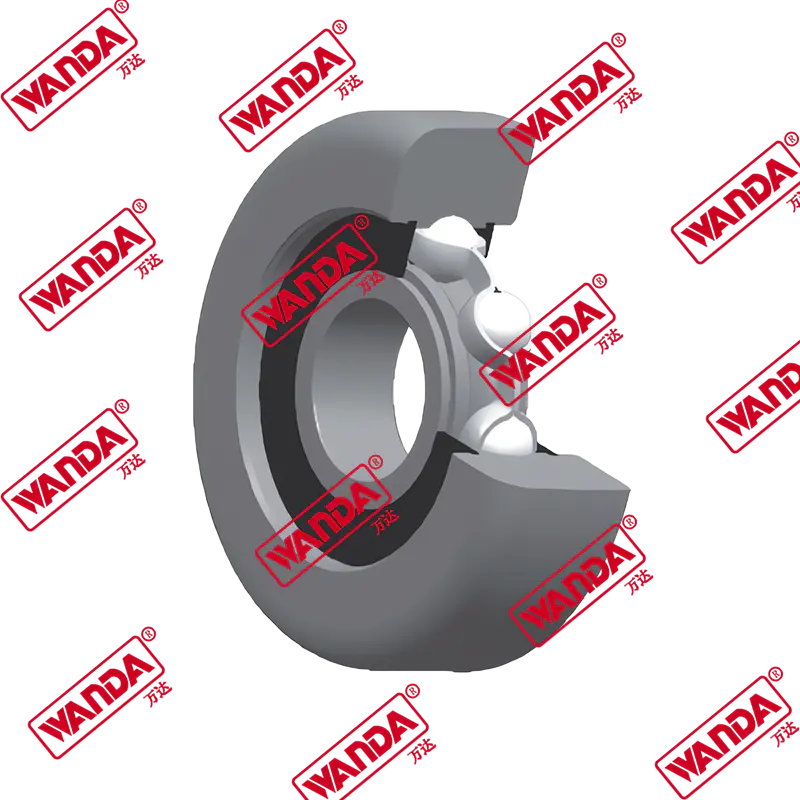
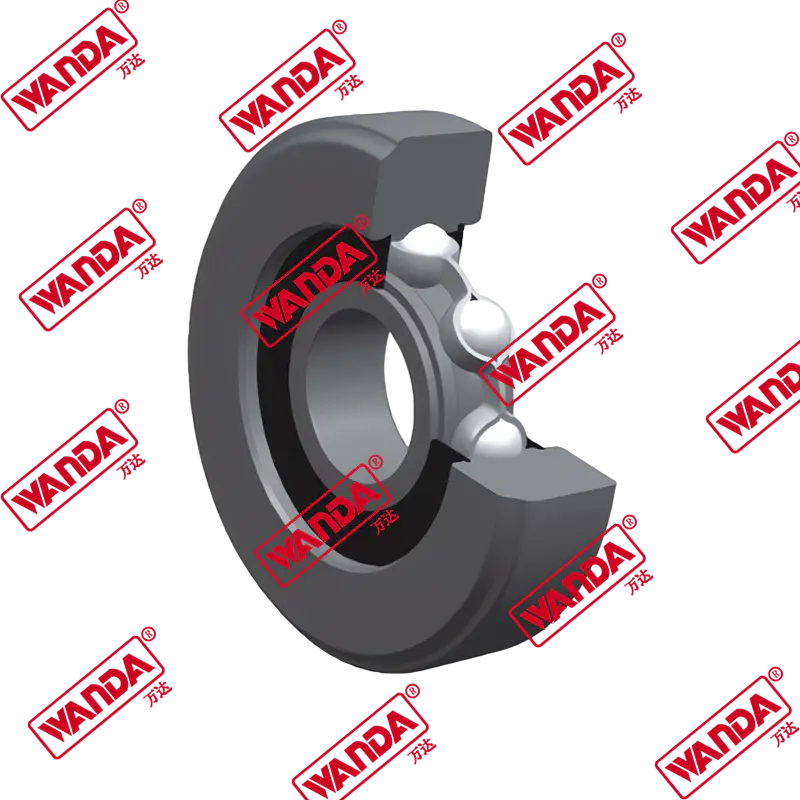
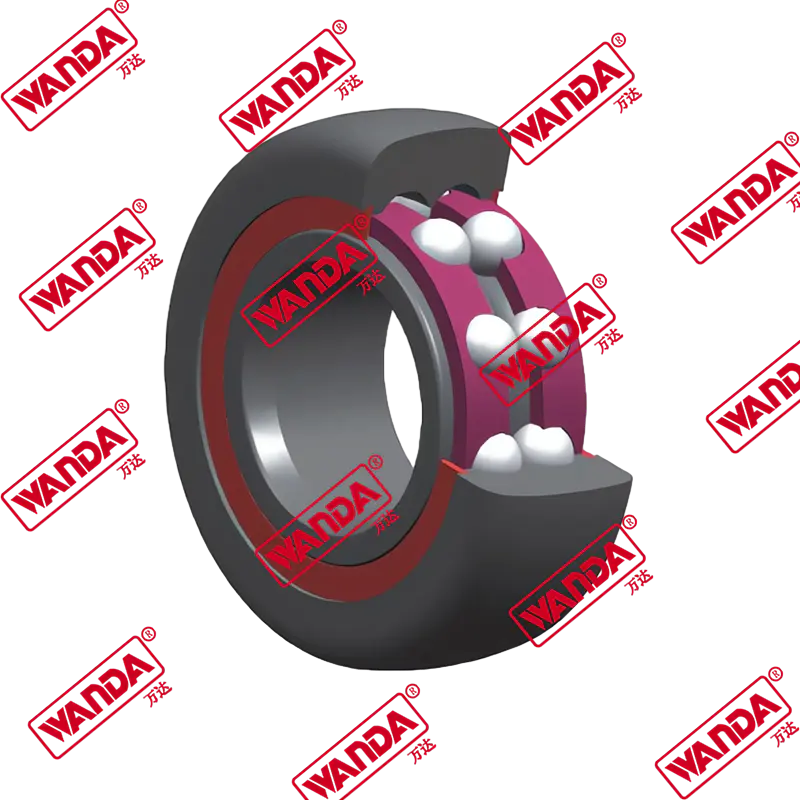
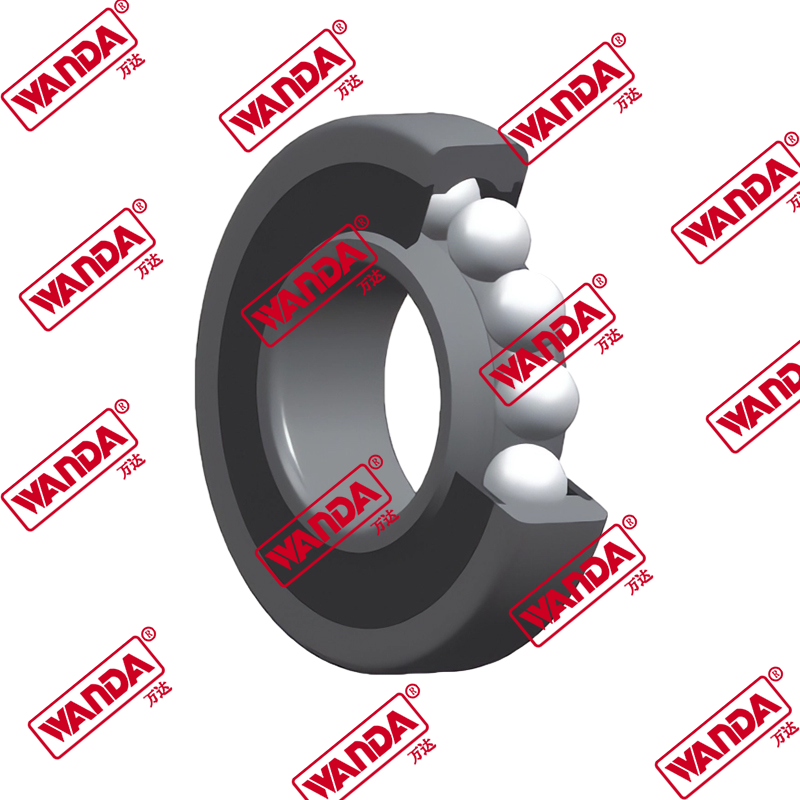
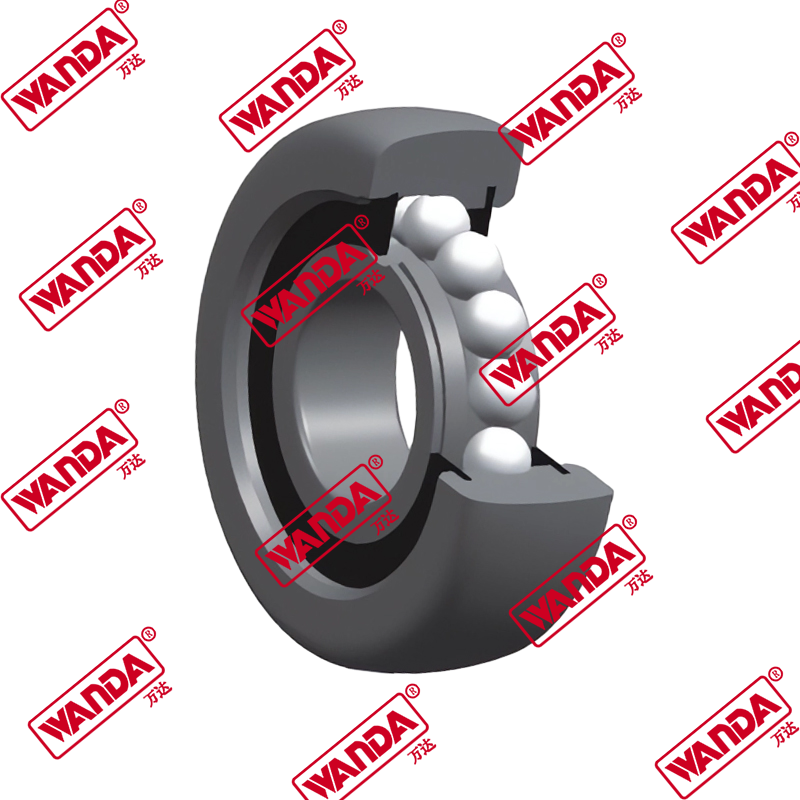
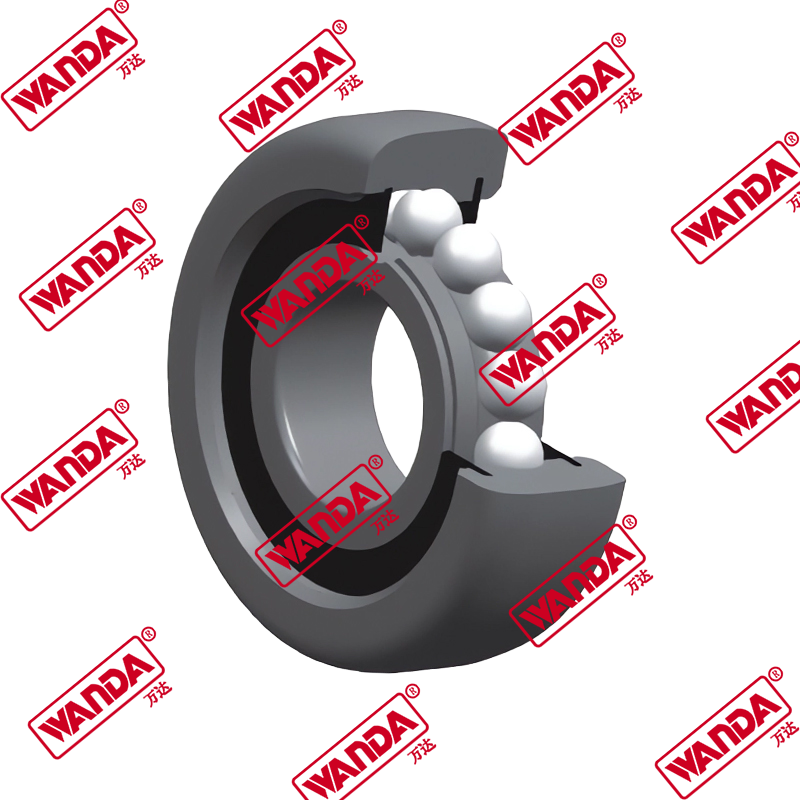
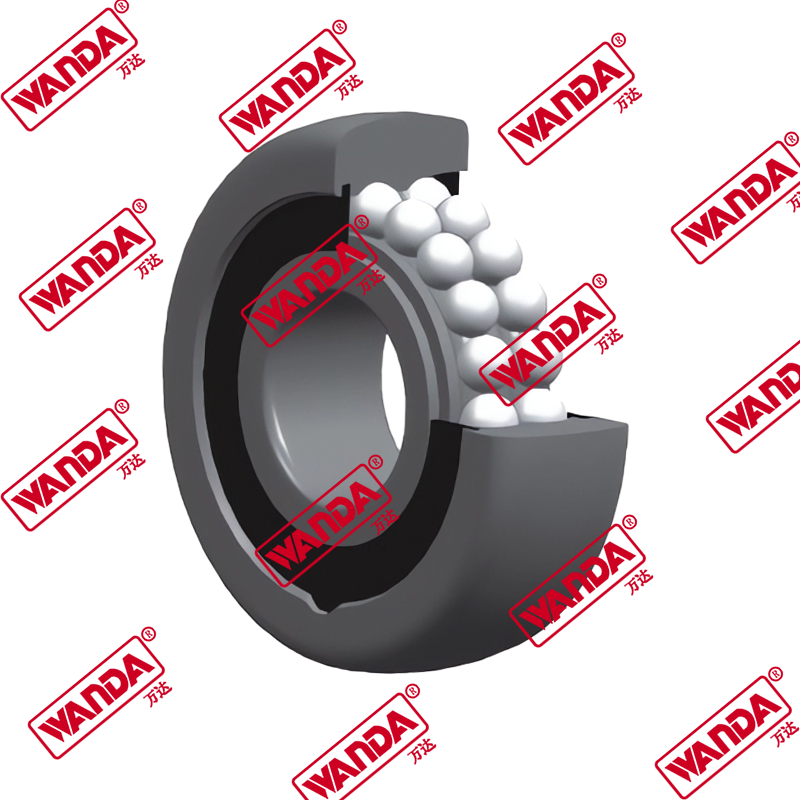
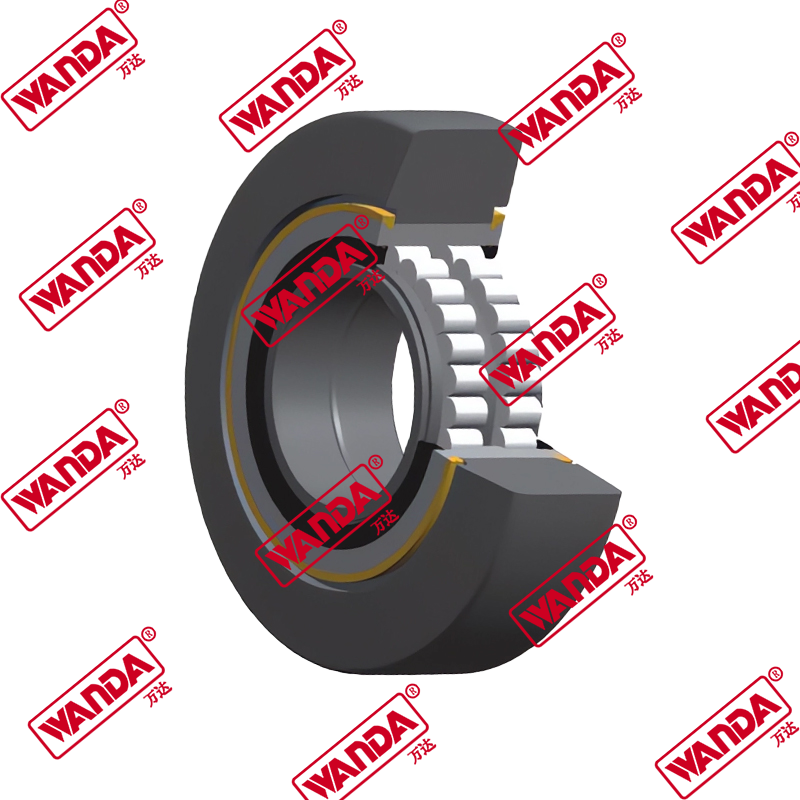
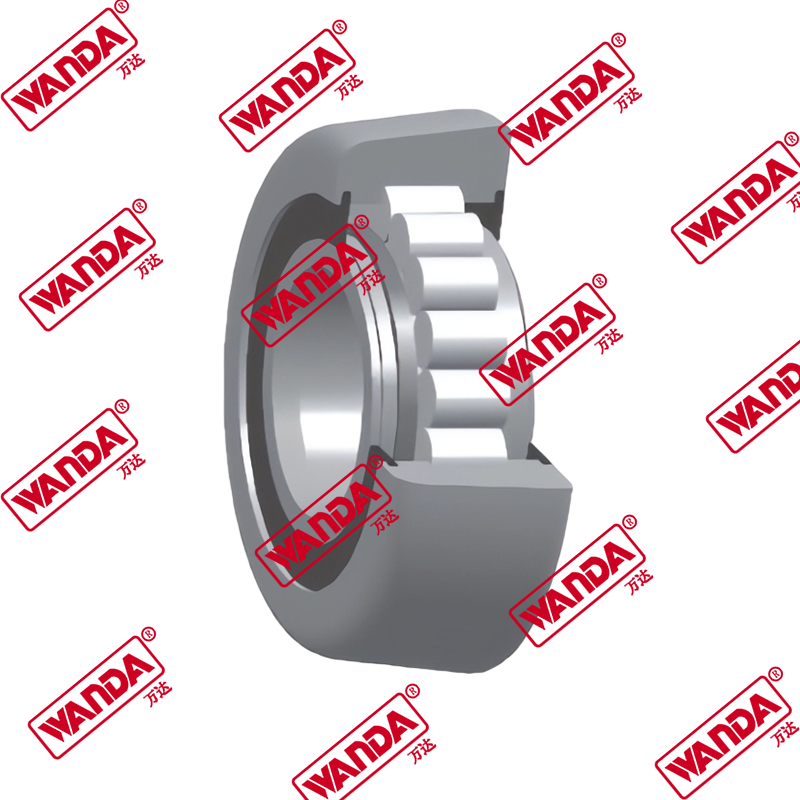
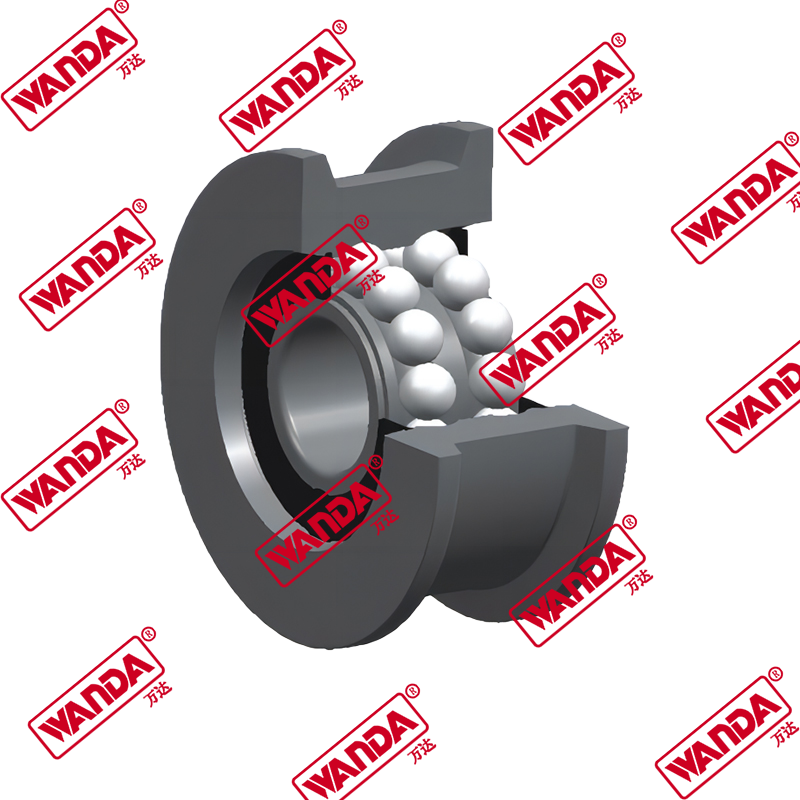
Forklift mast roller bearings, also called mast guide bearings or mast guide rollers, are specialized track bearings that enable vertical movement of the mast stages and fork carriage while handling extreme radial and intermittent shock loads. These bearings differ fundamentally from standard industrial bearings because they feature thick outer rings that function as wheels or tires, rolling directly against the mast channel rails rather than being housed in a separate raceway. Premium bearings manufactured from GCr15 bearing steel achieve rated load capacities 5% higher than standard specifications, with actual service lifetimes extending 5 to 8 times beyond standard ratings under proper maintenance. Load capacities range from 0.5 tons (1,100 pounds) for light-duty warehouse trucks to over 25 tons (55,110 pounds) for heavy-duty industrial forklift masts. The four primary types include mast guide bearings that facilitate vertical extension, carriage bearings that support fork movement, side thrust rollers that absorb lateral forces, and chain roller bearings that guide the lift chains. Understanding these components is essential for maintenance scheduling, failure diagnosis, and aftermarket replacement selection.
The mast assembly represents one of the most mechanically stressed systems on any forklift. Each time the operator raises or lowers a load, the bearings endure rolling contact under thousands of pounds of force while simultaneously resisting side loads generated during turns and uneven terrain traversal. The thick outer ring design distributes these loads across a broad contact patch, preventing the localized stress concentrations that would destroy conventional bearings. The inseparable construction keeps all components locked together as a single wheel-like unit, ensuring that the bearing cannot disassemble during operation even under severe impact conditions. This robust engineering explains why forklift mast bearings command premium prices compared to standard bearings of similar dimensions, and why selecting the correct replacement part is critical for both safety and operational longevity.
Mast Guide Bearings and Side Rollers
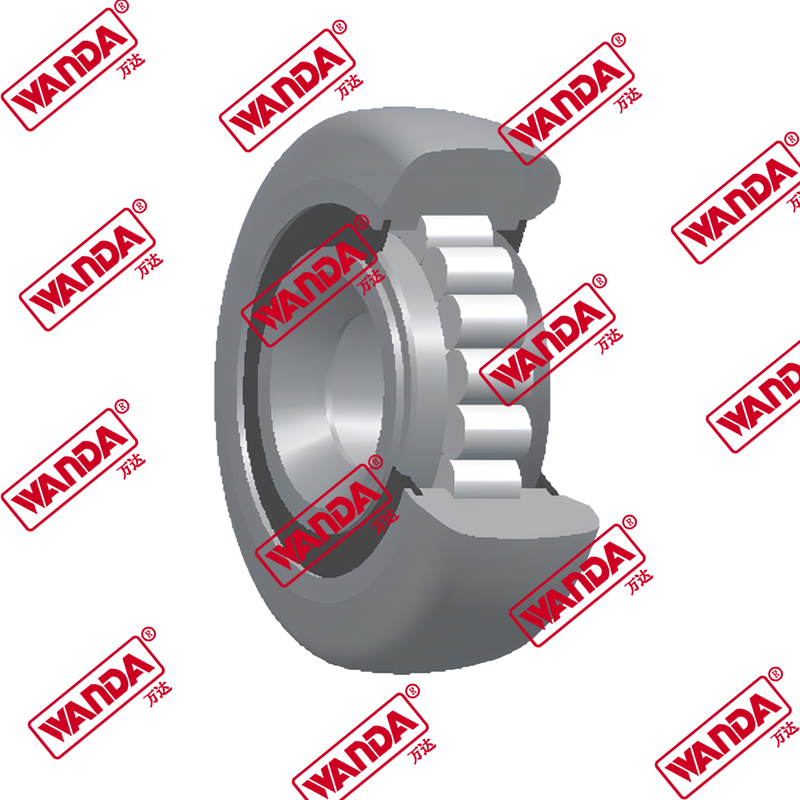
Mast guide bearings, also known as side rollers, serve as the primary vertical guidance system for telescoping mast sections. These bearings attach to the fork carriage and roll along the inner surfaces of the mast channels, ensuring that the carriage rises and lowers along a precisely controlled path. They handle the main radial load of the lifted weight while simultaneously resisting side thrust generated when the forklift turns with an elevated load or traverses sloped surfaces. The outer ring profile is specifically contoured to match the mast channel geometry, with crowned or flat profiles available depending on the manufacturer design. Some designs incorporate a radius on the outer ring edge to prevent edge loading and reduce stress concentration at the rail contact line.
Common mast guide bearing dimensions follow standardized patterns across major forklift brands. A typical light-duty bearing such as the MG205 series features a 25-millimeter bore, 52 to 67-millimeter outer diameter, and 15 to 26-millimeter width, with dynamic load ratings around 14,020 to 16,100 Newtons and static load ratings of 7,880 to 11,000 Newtons. Medium-duty bearings in the MG305 series increase to a 25-millimeter bore with 62 to 76.2-millimeter outer diameters and load ratings up to 61,240 Newtons dynamic and 65,950 Newtons static for the heaviest variants. Heavy-duty applications employ larger bore diameters of 30 to 55 millimeters, with the 980811NT specification measuring 55 by 119.2 by 34 millimeters and serving as a standard replacement across multiple OEM brands. These bearings are manufactured from GCr15 chrome steel with hardness ratings of 58 to 65 HRC to withstand the abrasive wear of steel-on-steel contact in dusty industrial environments.
Combined Roller Bearing Assemblies
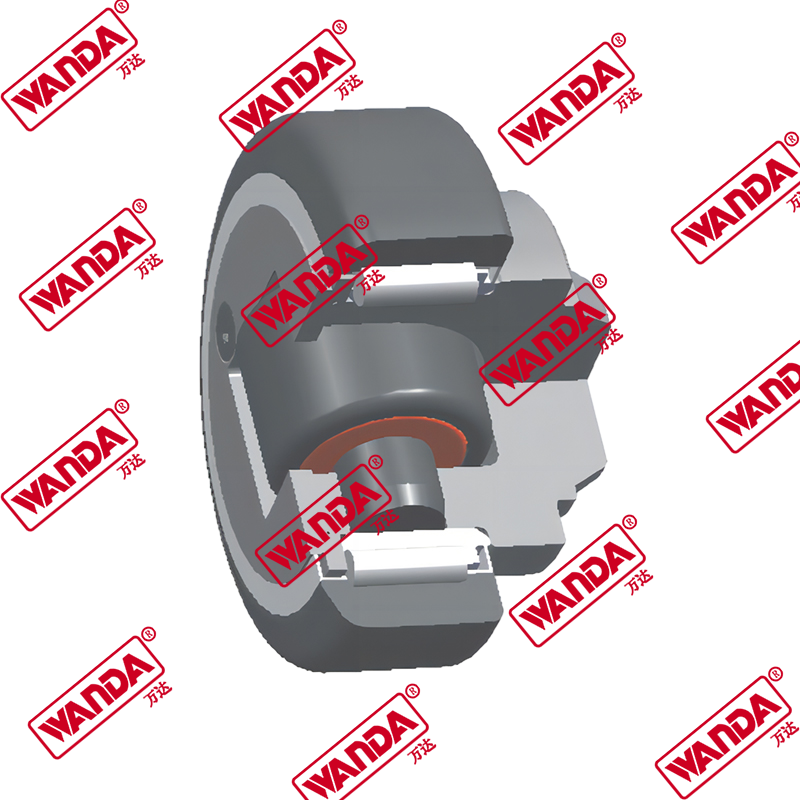
Combined roller bearing assemblies integrate the mast guide bearing and side thrust roller into a single pre-assembled unit, simplifying installation and ensuring proper alignment between the radial and axial load paths. These assemblies mount on a central shaft or pin and position the main roller to carry vertical loads while a smaller secondary roller contacts the side of the mast channel to absorb lateral forces. The 4.058 combined bearing exemplifies this design with a 59-millimeter bore, 88.4-millimeter outer diameter, and 57-millimeter width, supporting 15,287 pounds dynamic load and 16,186 pounds static load. Combined assemblies reduce the number of individual components that maintenance crews must inventory and install, and they eliminate the alignment errors that can occur when separate bearings are mounted independently. Major forklift manufacturers including Toyota, Linde, Hyster, Yale, Komatsu, and Mitsubishi utilize combined bearing designs in their premium mast systems.
Carriage Bearings and Chain Rollers
Carriage bearings are smaller than mast guide bearings but perform an equally critical function by providing lateral guidance to the fork carriage as it travels up and down the mast rails. These bearings maintain fork alignment during racking operations, preventing the wobbling and side-to-side movement that would compromise load stability at height. Because they support the direct weight of the forks and any attached load, carriage bearings must resist both radial and moment loads generated by offset cargo. Typical carriage bearings feature bore diameters of 20 to 35 millimeters with outer diameters matched to the carriage rail profile. Their compact size allows installation in the confined spaces of the carriage assembly where larger bearings would not fit.
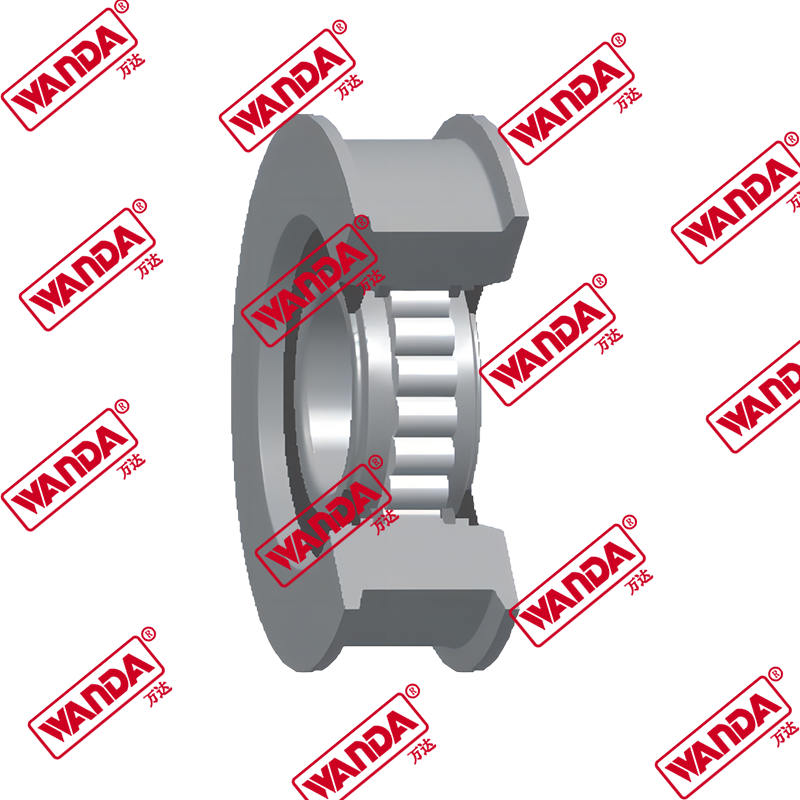
Chain roller bearings guide the leaf chains that raise and lower the mast, functioning similarly to pulleys with flanged outer rings that keep the chain captive and prevent derailment. These bearings experience cyclic loading as the chain tension varies between loaded and unloaded conditions, and they must resist the abrasive wear of chain link contact. The flanged design incorporates a raised lip on one or both sides of the outer ring that traps the chain between the flanges, ensuring that the chain remains centered even when the mast tilts or sways. Chain rollers typically operate at lower speeds than mast guide bearings but endure higher shock loads during sudden starts and stops. Regular inspection of chain rollers is essential because a seized chain roller can cause chain wear, elongation, and eventual chain failure that drops the load.
Load Capacity and Bearing Specifications
Selecting the correct mast bearing requires matching the bearing load rating to the application demands. Dynamic load rating represents the constant radial load under which 90% of identical bearings will achieve one million revolutions before fatigue failure. Static load rating indicates the maximum radial load that can be applied without causing permanent deformation of the rolling elements or raceways. For forklift applications, the static load rating often governs selection because mast bearings spend significant time stationary under load during picking and placement operations. A 3-ton capacity forklift with a 24-inch load center generates approximately 6,000 pounds of force at the carriage, requiring bearings with static ratings well above this value to provide adequate safety margins for shock loading and dynamic effects.
The relationship between forklift rated capacity and bearing specification is not linear because mast geometry, lift height, and attachment weight all influence the actual bearing loads. A forklift rated for 5 tons with a triple-stage mast reaching 189 inches requires significantly heavier bearings than a 5-ton forklift with a two-stage mast limited to 132 inches. For heavy loads exceeding 5 tons, manufacturers recommend thickened mast rails and high-strength chains to complement the bearing capacity. High-frequency operations in multi-shift warehouses accelerate bearing wear and may require upsizing to bearings with higher dynamic ratings even if the static capacity appears adequate. Aftermarket replacement bearings should always meet or exceed the original equipment specifications, and cross-reference part number systems help identify compatible bearings across different manufacturer brands.
| Part Number | Bore | Outer Diameter | Width | Dynamic Load | Static Load |
|---|---|---|---|---|---|
| MG205-1E | 12.6 mm | 57 mm | 26.95 mm | 16,100 N | 11,000 N |
| MG305DD | 25 mm | 76.2 mm | 25.4 mm | 20,510 N | 11,120 N |
| MG305DDH | 25 mm | 72 mm | 28 mm | 61,240 N | 65,950 N |
| MG206FFH | 30 mm | 3.13 in | 1.125 in | 27,360 N | 18,860 N |
| 980811NT | 55 mm | 119.2 mm | 34 mm | High radial | Occasional thrust |
Failure Indicators and Replacement Timing
Recognizing the early signs of mast bearing failure prevents catastrophic mast collapse and load drops. Excessive lateral play or wobbling of the mast stages when extended indicates wear in the side thrust rollers or mast guide bearings, allowing the mast to shift side-to-side beyond design tolerances. Metal-on-metal grinding or screeching sounds during lifting operations signal that the bearing outer ring coating has worn through, causing direct steel-to-steel contact between the bearing and mast rail. This condition generates rapid wear on both the bearing and the expensive mast channel, multiplying repair costs if not addressed promptly. Jerky or uneven lifting movement suggests that one or more bearings have seized or developed flat spots, creating intermittent binding as the carriage attempts to move.
Visual inspection provides additional diagnostic information. Rust streaks emanating from the bearing seal indicate that moisture has penetrated the grease barrier, washing away lubricant and initiating corrosion of the precision surfaces. Grease leaking from the seal suggests seal failure, which allows contamination ingress even if the bearing still functions. Cracked or chipped outer rings result from impact damage or material fatigue and require immediate replacement regardless of apparent operational performance. Chain rollers with visible wear flats, flaking chrome, or elongated chain contact grooves have exceeded their service life and threaten chain integrity. Regular maintenance intervals should include manual rotation of each bearing to detect roughness, looseness, or binding that X-ray or visual inspection might miss.
Maintenance and Lubrication Protocols
Proper lubrication extends mast bearing life by reducing friction, dissipating heat, and excluding contaminants. Most mast bearings ship pre-lubricated with high-performance grease such as Chevron SRI-2, a polyurea-thickened grease with excellent high-temperature stability and water resistance. The sealed design of modern bearings retains this lubricant for extended periods, but harsh operating conditions including exposure to chemicals, steam cleaning, or pressure washing can degrade seals and wash out grease. Re-lubrication intervals depend on operating intensity and environment, with clean indoor warehouses requiring annual inspection while outdoor lumber yards or foundries may need quarterly service. When re-lubricating, use only compatible greases recommended by the bearing manufacturer, as incompatible thickener systems can cause grease separation and lubrication failure. Molybdenum disulfide-enhanced greases are available for extreme load conditions, and lithium-based universal greases serve general-duty applications with good water resistance and mechanical stability.
Aftermarket Replacement and Cross-Referencing
Aftermarket mast bearings provide cost-effective alternatives to original equipment manufacturer parts while maintaining equivalent or superior performance. Premium aftermarket manufacturers produce bearings with load ratings 5% higher than standard specifications and service lifetimes 5 to 8 times longer, using the same GCr15 bearing steel and heat treatment processes as OEM suppliers. The key to successful aftermarket replacement is accurate identification of the original bearing part number and dimensions. Critical measurements include the inner diameter (bore), outer diameter, overall width, and the radius of the outer ring profile that contacts the mast rail. Precision matters because even a 0.5-millimeter deviation in outer diameter can alter the bearing preload and contact geometry, leading to premature failure.
Cross-reference systems map OEM part numbers to aftermarket equivalents across major forklift brands. A bearing specified for Toyota 7-Series or 8-Series trucks may interchange with Linde, Hyster, Yale, Komatsu, Nissan, TCM, Mitsubishi, or Caterpillar models that share the same dimensional and load requirements. When the original part number is worn or missing, measuring the installed bearing directly provides the necessary data for aftermarket sourcing. Custom manufacturing services can produce bearings to exact specifications for obsolete models or specialized applications, with lead times as short as 24 hours for urgent replacements. The bearing seal type should also match the application environment, with rubber contact seals (2RS) providing superior dust and moisture exclusion in dirty environments, metal shields (ZZ) offering lower friction in clean indoor applications, and open designs allowing periodic re-lubrication in controlled maintenance programs.
Installation Procedures and Safety
Mast bearing replacement requires proper equipment and safety protocols because the mast assembly is under spring tension and can move unexpectedly when components are removed. Before beginning work, fully lower the forks, shut off the engine, engage the parking brake, and block the wheels. Relieve hydraulic pressure by cycling the controls with the engine off. Support the mast carriage with an external hoist or jack stands before removing any bearings, as the carriage will drop if the remaining bearings cannot support its weight. Never work beneath an unsupported mast or carriage, and always use properly rated lifting equipment when removing heavy mast assemblies.
Installation of the new bearing requires cleanliness and precision. Clean the mast rail contact surfaces to remove rust, grease contamination, and wear debris that could damage the new bearing outer ring. Verify that the bearing bore matches the mounting shaft diameter and that the outer ring profile matches the mast channel geometry. Apply a thin film of compatible grease to the mounting shaft before pressing the bearing into position, avoiding excessive force that could distort the inner ring. Tighten mounting hardware to the torque specification provided by the forklift manufacturer, as over-tightening can preload the bearing and reduce its effective load capacity. After installation, operate the mast through several full lift and lower cycles without a load to distribute lubricant and verify smooth movement before returning the forklift to service. Document the replacement date, bearing part number, and operating hours to establish a maintenance history that supports predictive replacement scheduling.