
 English
 日本語
日本語
 русский
 Español
 عربى
عربى
 italiano
Content
- 1 Introduction to the Critical Role of Mast Rollers
- 2 Technical Engineering and Material Composition
- 3 Classification of Forklift Mast Rollers
- 4 Table 1: Common Technical Specifications for Mast Rollers (Standard Metric Sizes)
- 5 Global Market Trends in 2026: The Shift to Automation
- 6 Quality Control and International Standards
- 7 Maintenance Strategies to Extend Roller Life
- 8 Table 2: Forklift Mast Roller Maintenance Checklist
- 9 Challenges in the Global Supply Chain
- 10 Customization: The Competitive Edge
- 11 Sustainable Manufacturing Practices
- 12 Conclusion
- 13 FAQs
- 14 References
Introduction to the Critical Role of Mast Rollers
In the high-stakes world of material handling and logistics, the efficiency of a warehouse often hinges on the reliability of its smallest components. Among these, the forklift mast roller stands as a critical element that ensures the smooth vertical movement of the mast and carriage. As we move into 2026, the demand for high-performance mast rollers has surged, driven by the rapid expansion of e-commerce, the rise of automated guided vehicles, and the need for more durable components in harsh industrial environments.
For international buyers and procurement managers, understanding the technical nuances of forklift mast rollers is not just about choosing a part; it is about ensuring operational uptime and safety. This article provides a deep dive into the engineering, selection, and maintenance of mast rollers, tailored for the global export market.
Technical Engineering and Material Composition
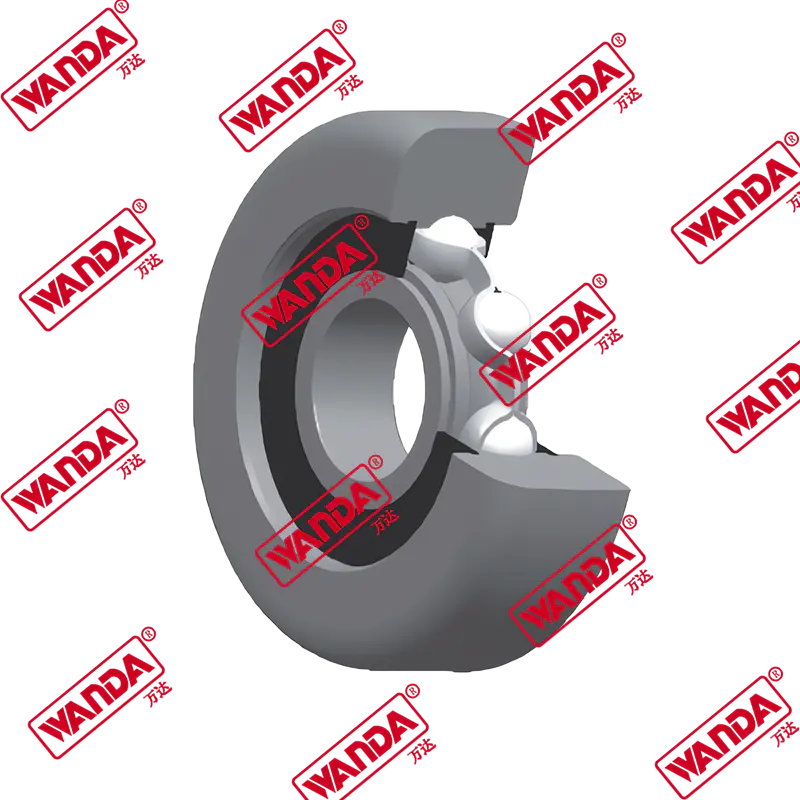
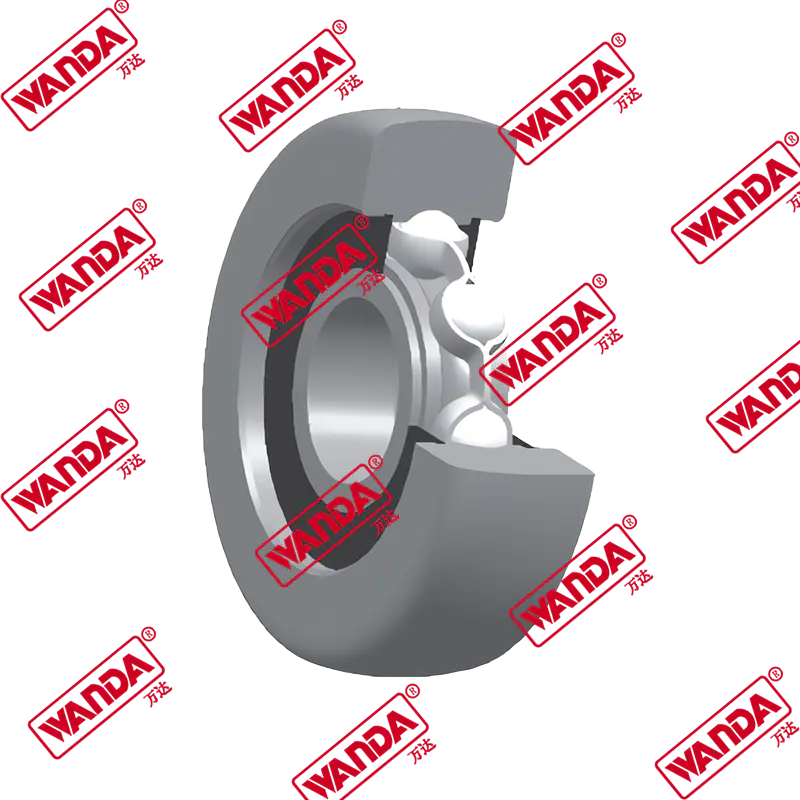
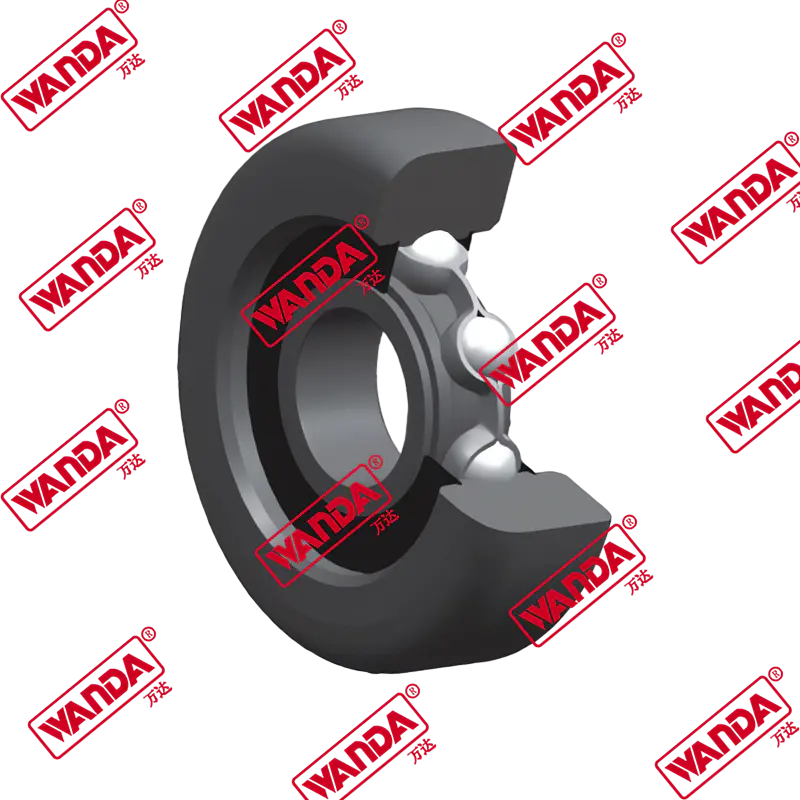
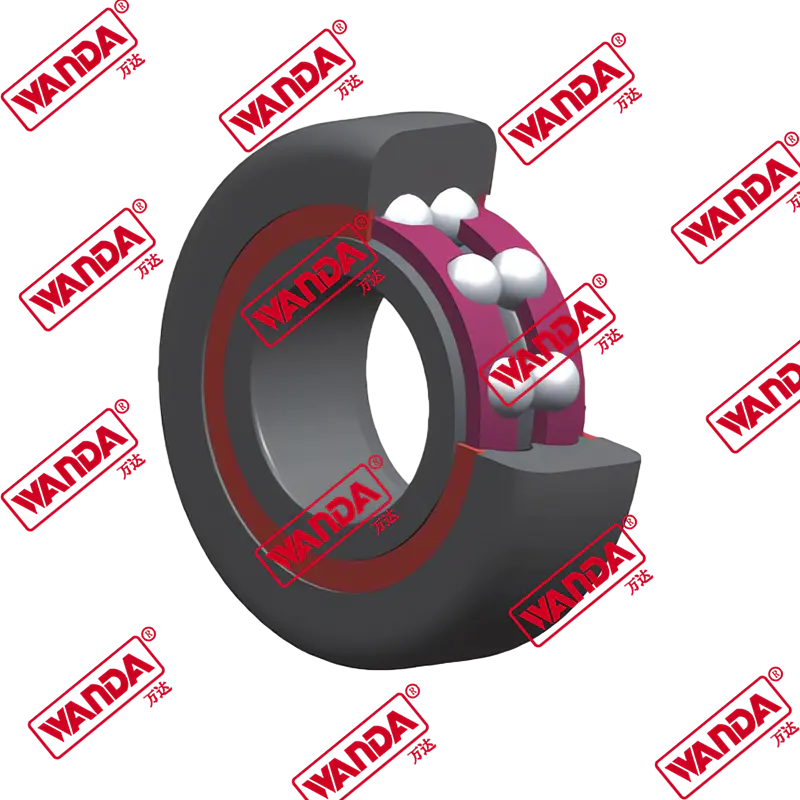
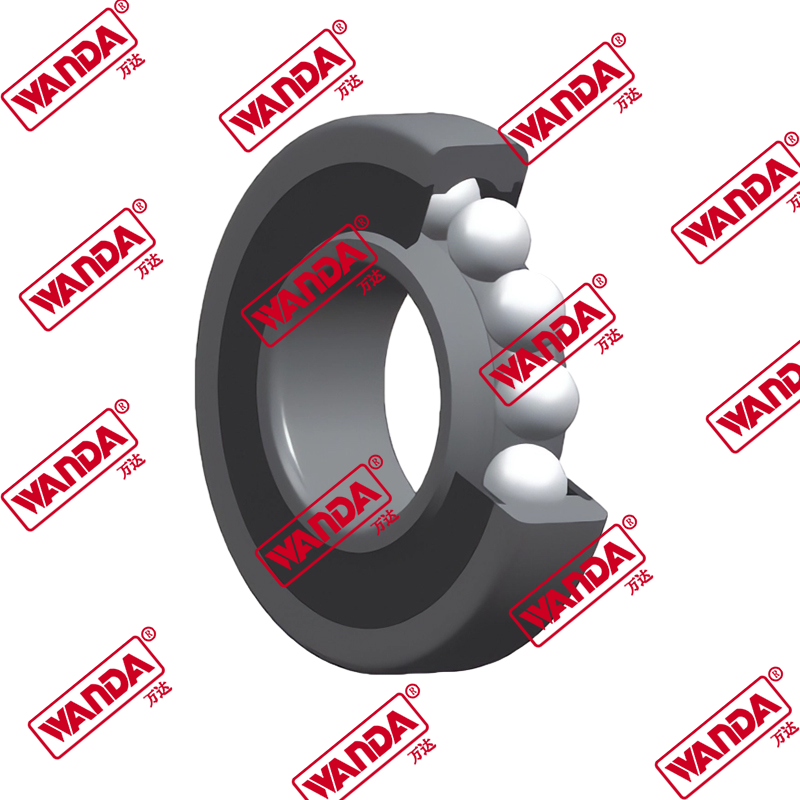
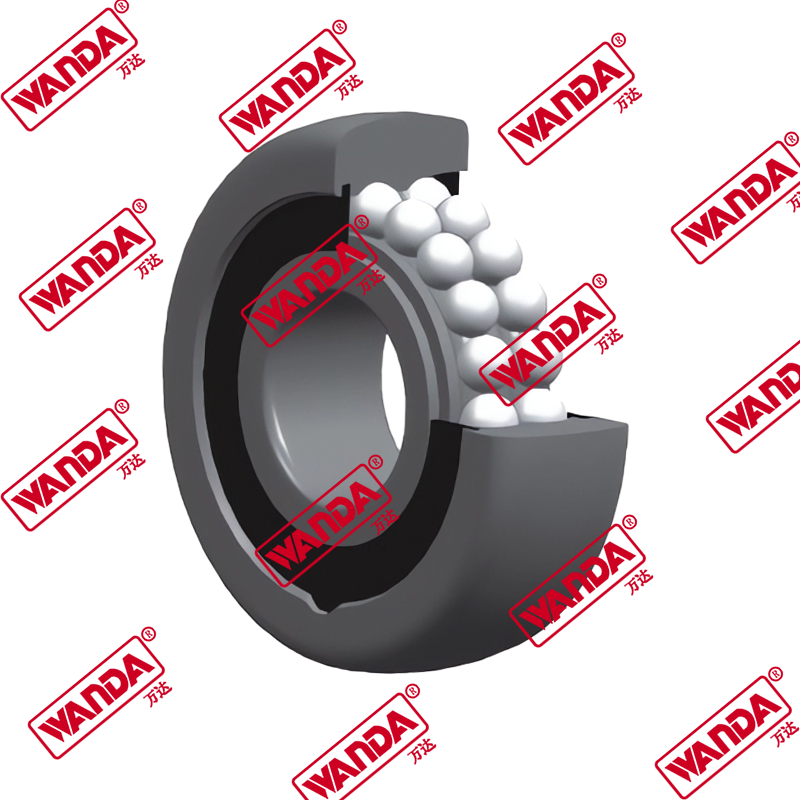
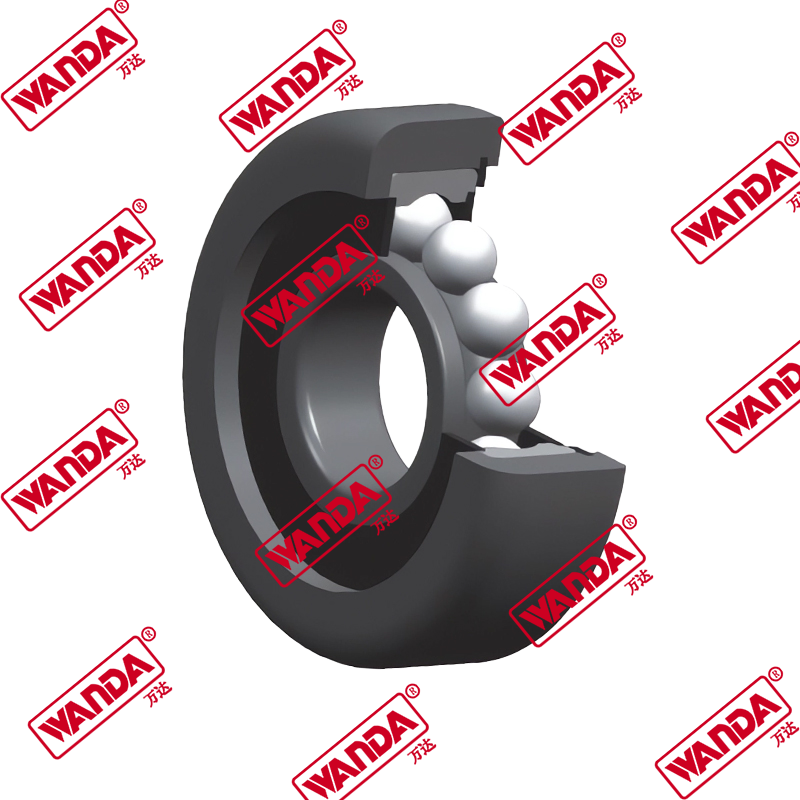
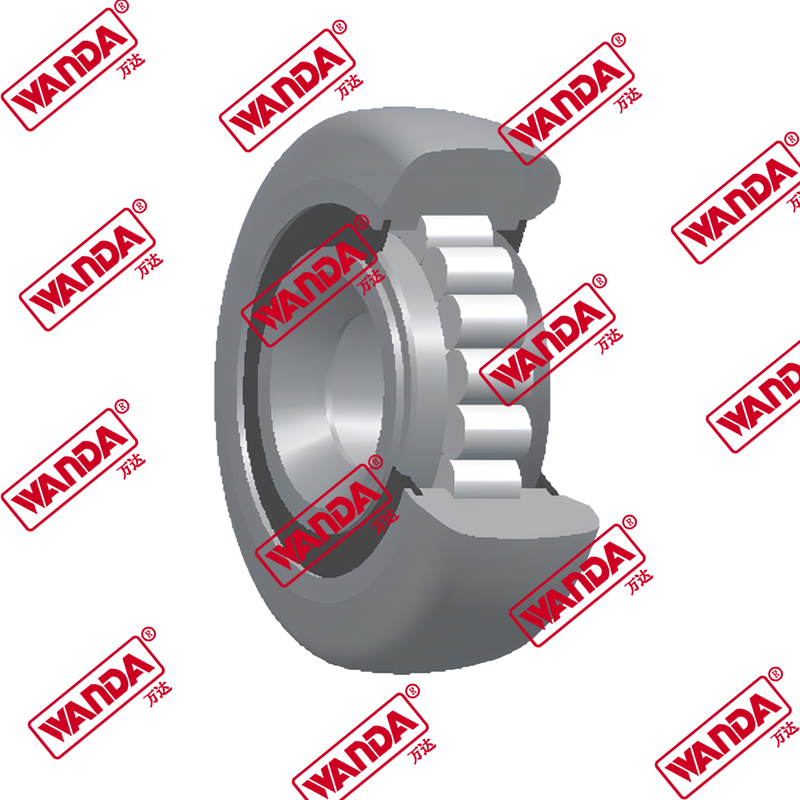
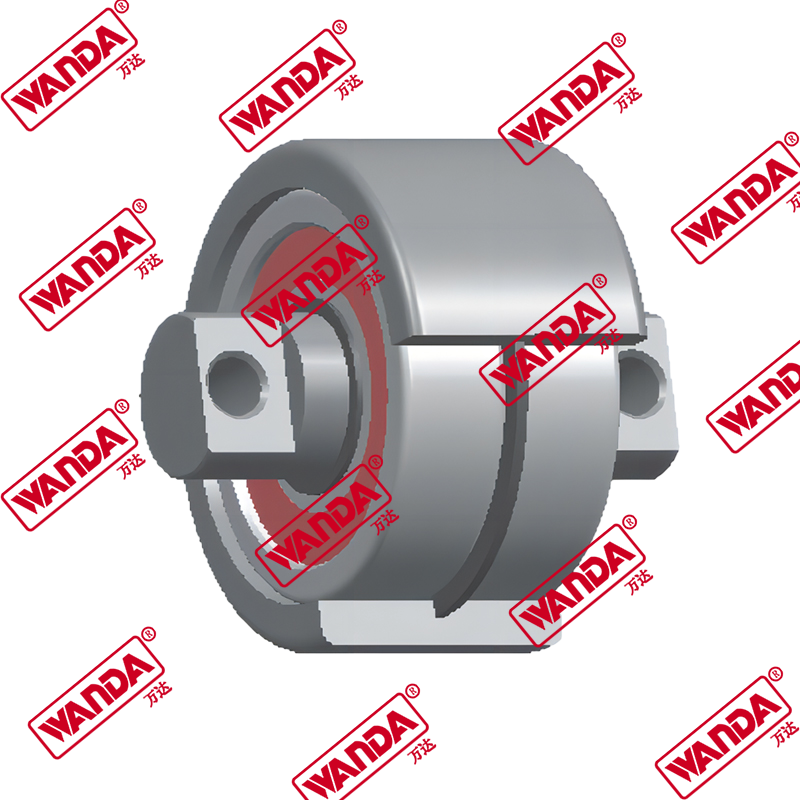
A forklift mast roller is not a simple wheel. It is a specialized bearing designed to withstand immense radial and axial loads while operating at relatively low speeds within the mast rails. The structural integrity of the outer ring is perhaps the most defining characteristic of a quality roller.
Unlike standard bearings, mast rollers feature a significantly thicker outer ring. This design allows the roller to act as a track follower, distributing the pressure exerted by the weight of the load across the surface of the mast rail. In 2026, the industry has seen a shift toward the use of advanced alloy steels such as GCr15 (high-carbon chromium bearing steel), which undergoes rigorous heat treatment to achieve a hardness of 58 to 62 HRC. This ensures that the rollers do not deform under the maximum capacity of the forklift.
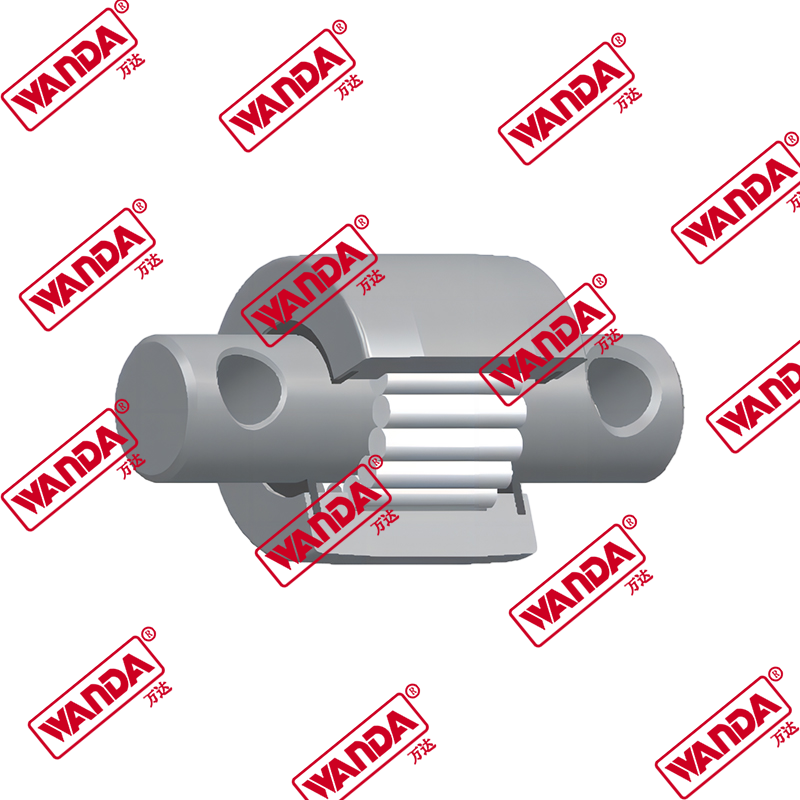
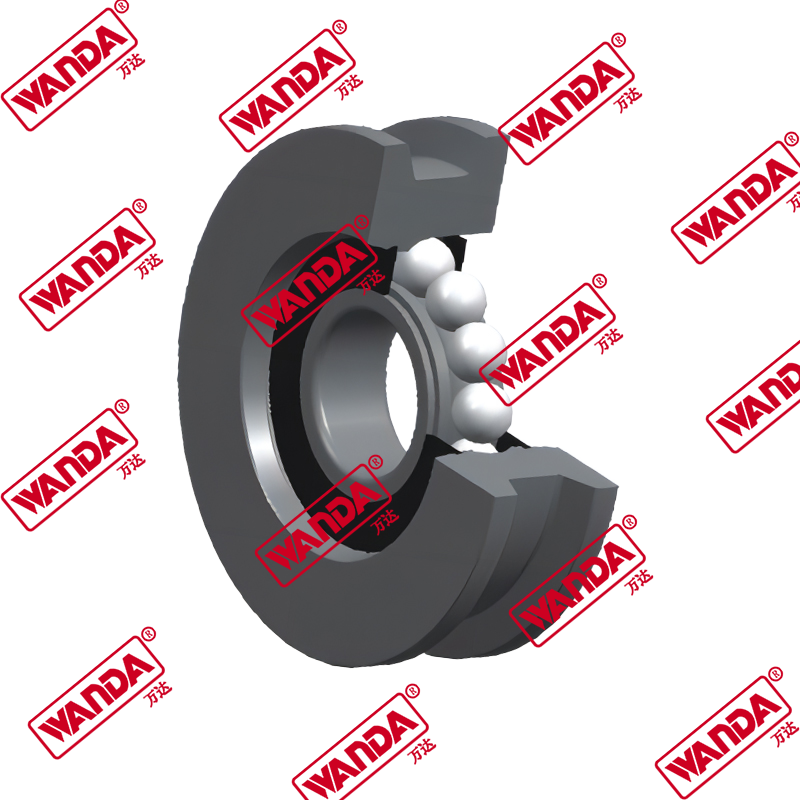
Furthermore, internal elements like balls or cylindrical rollers are precision-engineered to minimize friction. The seals, typically a combination of rubber (RS) and metal (ZZ), are crucial for preventing the ingress of dust, moisture, and debris, which are prevalent in construction sites and industrial ports.
Classification of Forklift Mast Rollers
Understanding the different types of rollers is essential for correct part identification. Manufacturers usually categorize them based on their specific function within the mast assembly:
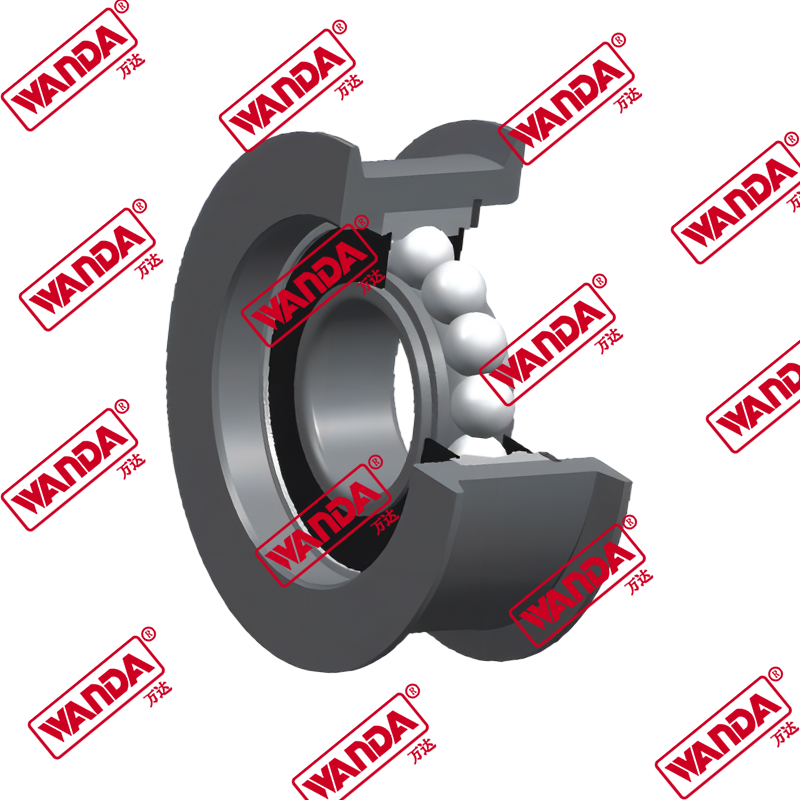
- Mast Guide Bearings: These are the primary rollers that support the main lifting sections of the mast.
- Side Thrust Rollers: Smaller rollers that handle the lateral forces, preventing the carriage from swaying side-to-side.
- Chain Sheaves and Rollers: Components that guide the lifting chains, ensuring even tension and smooth transition during the lifting cycle.
Table 1: Common Technical Specifications for Mast Rollers (Standard Metric Sizes)
Below is a reference table for some of the most frequently requested mast roller dimensions in the international market.
| Part Category | Inner Diameter (mm) | Outer Diameter (mm) | Width (mm) | Common Application |
|---|---|---|---|---|
| Standard Guide Roller | 25 | 72 | 28 | 1.5 - 2.0 Ton Forklifts |
| Heavy Duty Guide | 35 | 95.7 | 25 | 2.5 - 3.5 Ton Forklifts |
| Extra Heavy Duty | 45 | 115 | 30 | 5.0 - 7.0 Ton Forklifts |
| Side Thrust Roller | 20 | 52 | 18 | Lateral Stability |
| Chain Sheave Roller | 40 | 120 | 28 | Lift Chain Support |
Global Market Trends in 2026: The Shift to Automation
The landscape of the forklift industry is changing. One of the most significant trends in 2026 is the integration of mast rollers into Automated Guided Vehicles (AGVs) and Autonomous Mobile Robots (AMRs). These automated systems operate nearly 24/7, which means the duty cycle for components like mast rollers has doubled or even tripled compared to human-operated forklifts.
As a result, there is a growing demand for “maintenance-free” rollers. These are rollers equipped with permanent lubrication and enhanced sealing technologies that can last the entire lifecycle of the machine without requiring manual greasing. For manufacturers, this means investing in high-precision CNC machining and automated assembly lines to ensure that every roller meets the exact tolerances required by high-tech robotic forklifts.
Additionally, the push for electrification in the forklift market (Class I and Class II trucks) has led to a need for quieter components. Noise reduction in mast rollers is achieved through superior surface finishing and the use of specialized synthetic greases that dampen vibration.
Quality Control and International Standards
For an export-oriented manufacturer, adhering to international standards is the gateway to the global market. Buyers in Europe and North America prioritize certifications such as ISO 9001 for quality management and ISO 14001 for environmental standards.
The manufacturing process must include several layers of quality checks:
- Raw Material Inspection: Verifying the chemical composition of the steel using spectrographic analysis.
- Dimensional Testing: Using coordinate measuring machines (CMM) to ensure that the rollers fit perfectly within the mast rails of major brands like Toyota, Hyster, Linde, and Heli.
- Load Testing: Simulating real-world conditions to verify the dynamic and static load ratings of the rollers.
- Salt Spray Testing: Essential for rollers destined for port operations or coastal regions where corrosion is a major threat.
Maintenance Strategies to Extend Roller Life
Even the best-engineered mast roller will fail prematurely if not properly maintained. In a professional setting, maintenance should be proactive rather than reactive.
- Regular Lubrication: While some rollers are sealed, many still require periodic greasing. Using the correct type of heavy-duty grease that contains additives for extreme pressure is vital.
- Rail Cleaning: The mast rails should be kept clean of debris. If sand or metal shavings become embedded in the grease on the rail, they act as an abrasive that grinds down the outer ring of the roller.
- Visual Inspection: Operators should look for signs of flat spots, pitting on the outer surface, or leakage of internal grease. A “clicking” sound during the lift cycle is often the first indicator of internal bearing failure.
- Replacement Timing: Generally, mast rollers should be evaluated every 2000 operating hours. If the gap between the roller and the mast rail exceeds the manufacturer specifications (usually more than 1.5mm), it is time to shim the mast or replace the rollers.
Table 2: Forklift Mast Roller Maintenance Checklist
| Frequency | Action Item | Goal |
|---|---|---|
| Daily | Visual inspection of mast movement | Identify jerky motions or noises |
| Weekly | Wipe down mast rails | Remove abrasive contaminants |
| Monthly | Check for lateral play in the carriage | Ensure side thrust rollers are intact |
| 500 Hours | Lubricate non-sealed rollers | Reduce friction and heat |
| 2000 Hours | Full mechanical evaluation | Decide on replacement or re-shimming |
Challenges in the Global Supply Chain
The international trade of forklift parts faces several challenges in 2026. Fluctuations in the price of raw steel and energy costs can impact the final price of the product. Moreover, the increasing complexity of international logistics requires manufacturers to have robust shipping and tracking systems.
To mitigate these risks, leading manufacturers are now offering “Just-in-Time” delivery options and establishing local warehouses in key markets such as the United States, Germany, and Brazil. This allows for faster response times for replacement parts, which is a major selling point for forklift dealers and repair shops.
Customization: The Competitive Edge
One size does not fit all in the forklift industry. Modern manufacturing plants often require customized mast rollers for specialized applications, such as cold storage environments (where rollers must operate at minus 30 degrees Celsius) or foundries (where extreme heat is a factor).
As a manufacturer, providing OEM (Original Equipment Manufacturer) and ODM (Original Design Manufacturer) services is a significant advantage. This involves working closely with the client’s engineering team to design rollers with specific materials, dimensions, or sealing systems that are not found in standard catalogs.
Sustainable Manufacturing Practices
Sustainability is no longer an option but a requirement in the 2026 global market. Many international buyers now audit their suppliers based on their carbon footprint. Implementing energy-efficient heat treatment processes, recycling steel scrap, and using biodegradable packaging are all steps that enhance the “Green” credentials of a manufacturing firm. This not only helps the environment but also improves the brand image in the eyes of eco-conscious corporate clients.
Conclusion
The forklift mast roller is a testament to the fact that in engineering, every detail matters. As the backbone of the mast lifting system, these components are vital for the safety and efficiency of global supply chains. By focusing on high-quality materials, precision manufacturing, and proactive maintenance, companies can ensure that their forklifts remain operational in the most demanding environments. For buyers, the key is to partner with manufacturers who prioritize technical excellence and offer robust support for the international market.
FAQs
1. How do I know if my forklift mast rollers need replacement?
You should look for signs such as excessive noise during lifting, visible flat spots on the rollers, jerky carriage movement, or if there is a significant gap (usually over 1.5mm) between the roller and the mast rail. Regular inspections every 2000 hours are recommended.
2. Can I use a standard industrial bearing instead of a specialized mast roller?
No. Standard bearings do not have the thick-walled outer ring required to handle the high radial and shock loads of a forklift mast. Using a standard bearing can lead to catastrophic failure and safety risks.
3. What materials are best for mast rollers used in cold storage?
For cold storage, rollers should be made from specialized steel alloys that maintain ductility at low temperatures and should be filled with low-temperature synthetic grease to prevent the lubricant from freezing or becoming too viscous.
4. Why is the hardness of the outer ring so important?
The outer ring acts as the contact point with the mast rail. If the hardness is too low (below 58 HRC), the roller will deform or wear down quickly. If it is too high, it might become brittle and crack under shock loads.
5. Do you offer custom sizes for older or specialized forklift models?
Yes, as a manufacturer, we provide OEM and ODM services. We can produce custom mast rollers based on provided technical drawings or by reverse-engineering a physical sample to match the specific requirements of any forklift model.
References
- Schaeffler Group (2025). Technical Principles for Lift Mast Rollers and Track Rollers. Industrial Bearing Engineering Journal.
- ISO 9001:2015 Standards. Quality Management Systems in Heavy Equipment Component Manufacturing.
- Material Handling Institute (MHI). Annual Industry Report 2026: The Rise of Automation in Warehousing.
- TCM Industrial Blog. 2026 Forklift Trends: Electrification and Maintenance Evolution.
- International Journal of Mechanical Engineering. Fatigue Life Analysis of High-Carbon Chromium Steel in Roller Bearings.