
 English
 日本語
日本語
 русский
 Español
 عربى
عربى
 italiano
In the high-stakes environment of material handling, the structural integrity of a forklift mast is dictated by the precision of its moving components. Among these, the Forklift Side Roller stands as a silent but vital component, responsible for managing lateral forces and ensuring smooth vertical transition. As engineers seek to optimize equipment uptime, understanding the mechanical tolerances and material science behind these rollers is essential. This guide explores the technical specifications and maintenance protocols required for high-performance mast systems.
Content
- 1 1. Mechanical Function and Load Distribution
- 2 2. Material Science and Wear Resistance
- 3 3. Maintenance and Replacement Standards
- 4 4. Precision Engineering: Selection Criteria
- 5 5. Conclusion: Maximizing Lift Safety
- 6 Frequently Asked Questions (FAQ)
- 6.1 1. How often should a Forklift Side Roller be lubricated?
- 6.2 2. What causes a Forklift Side Roller to fail prematurely?
- 6.3 3. Can I replace just one Forklift Side Roller or should I replace them in pairs?
- 6.4 4. How do I know if I need custom forklift mast side rollers?
- 6.5 5. What is the impact of forklift mast roller adjustment on battery life?
- 7 Industry References
1. Mechanical Function and Load Distribution
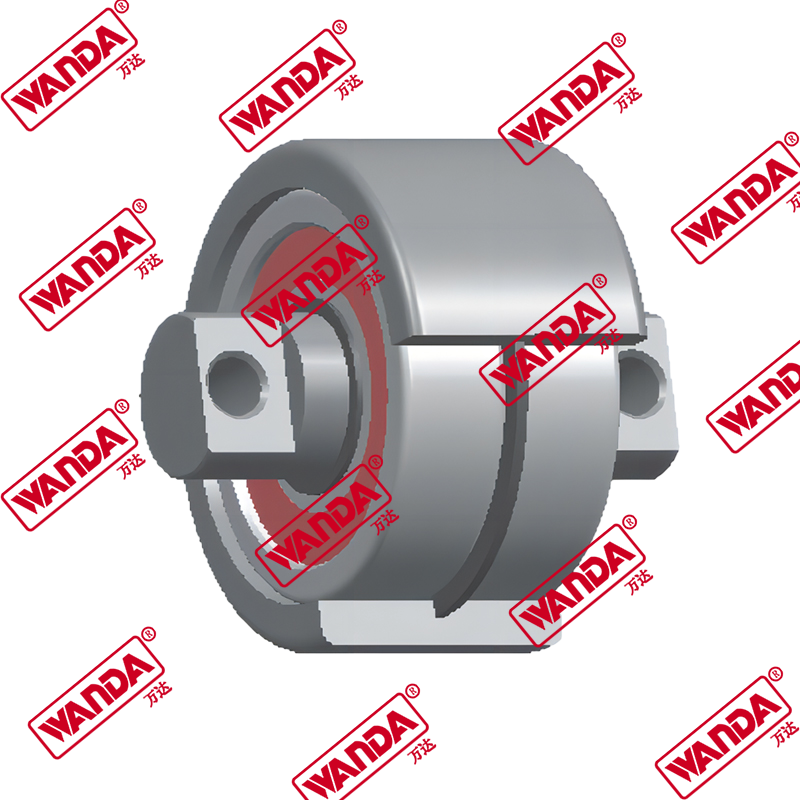
The primary function of a Forklift Side Roller is to counteract the side-thrust loads generated when a forklift carries an uneven load or operates on inclined surfaces. Unlike main mast rollers that handle longitudinal pressure, side rollers maintain the alignment between the inner and outer mast channels. By minimizing the "play" or gap between mast stages, they prevent catastrophic metal-on-metal friction. Proper forklift mast roller adjustment is critical; if the clearance is too tight, it increases energy consumption and wear; if too loose, it causes mast sway and instability at high lift heights.
Comparison: Side Rollers vs. Main Mast Rollers
While both components facilitate movement, their engineering focus differs regarding load vectors and bearing design.
| Component Type | Primary Load Direction | Typical Bearing Design |
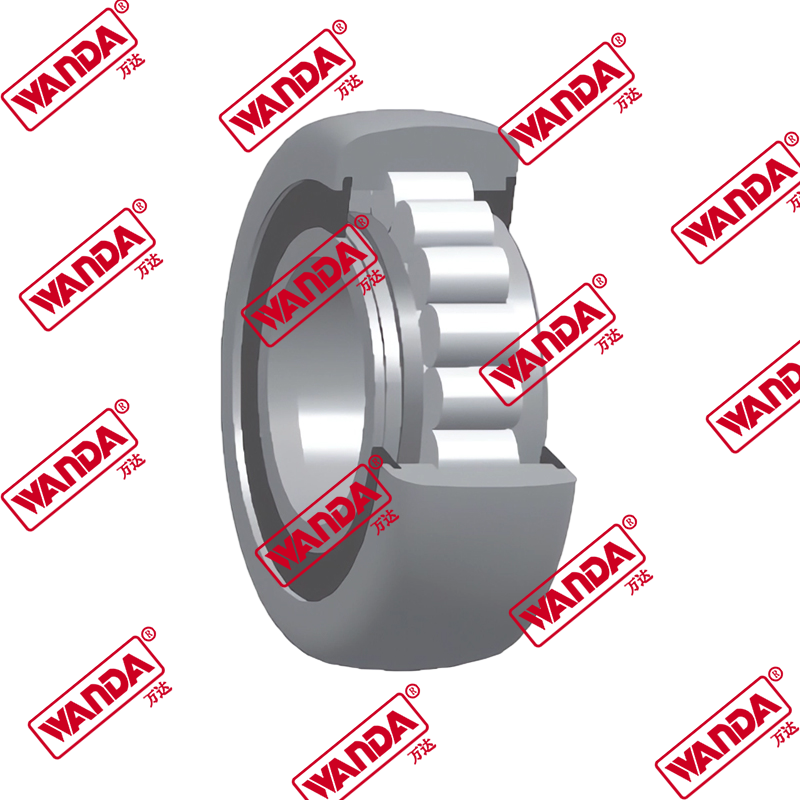
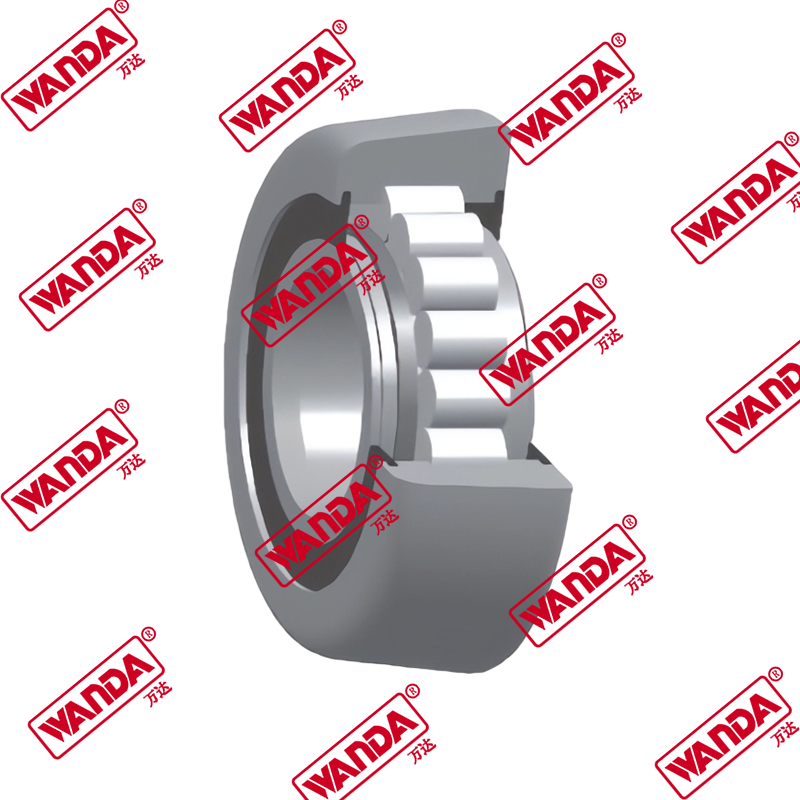
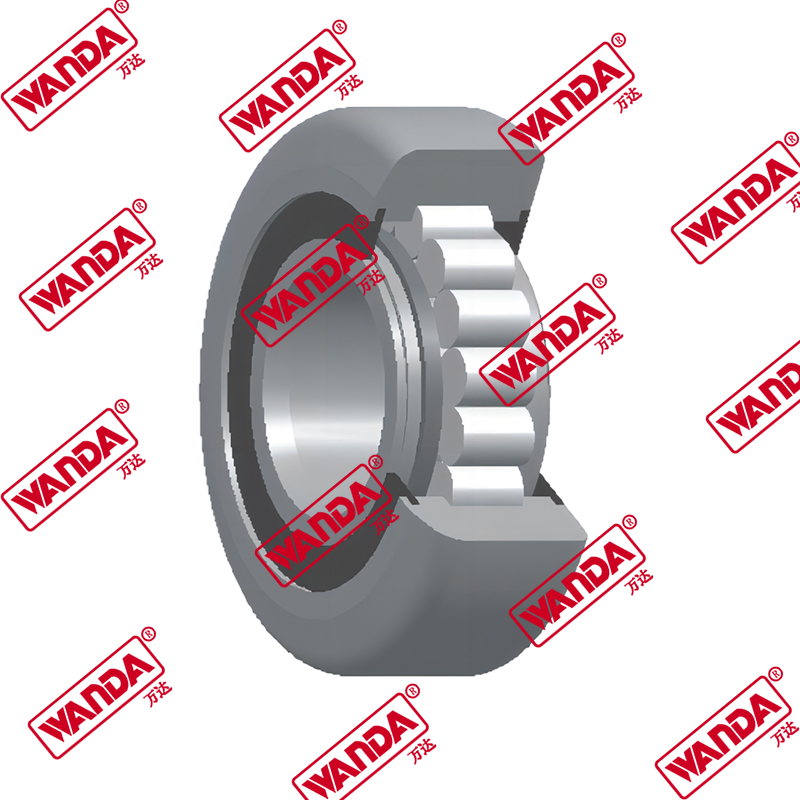
| Main Mast Roller | Radial (Longitudinal) | Heavy-duty cylindrical or tapered rollers |
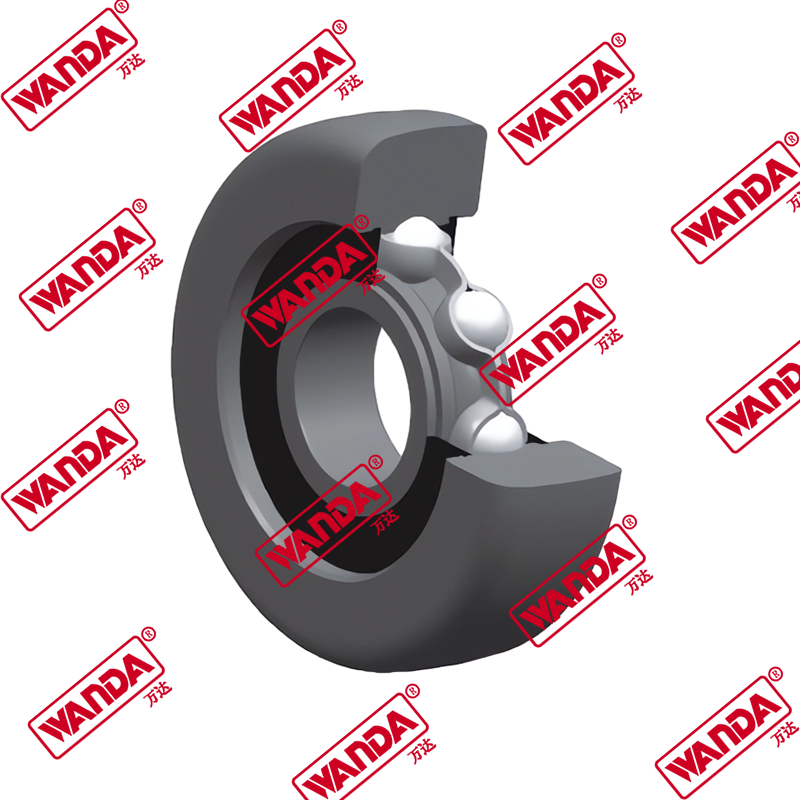
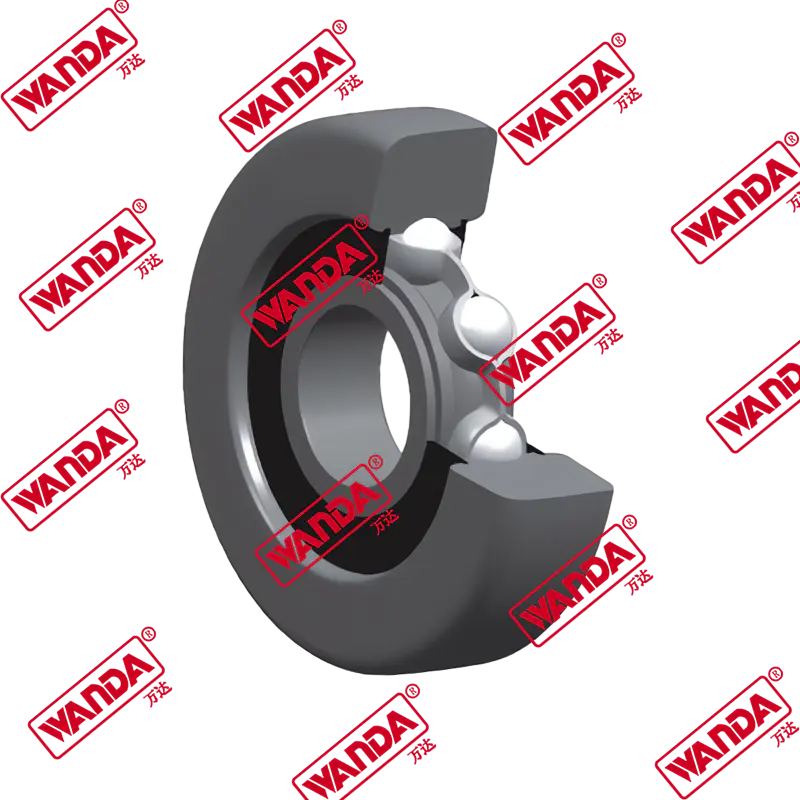
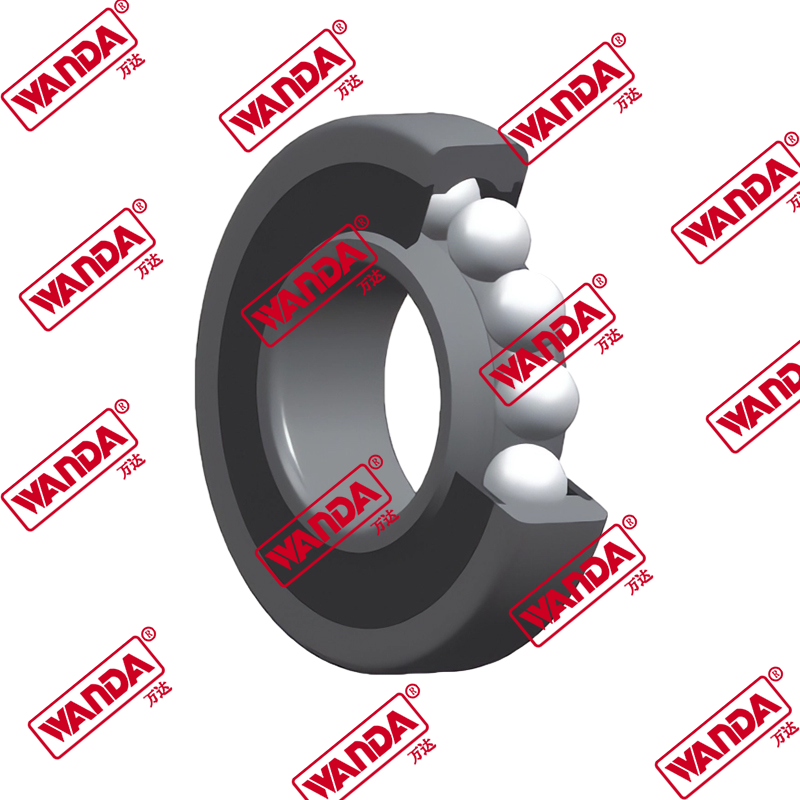
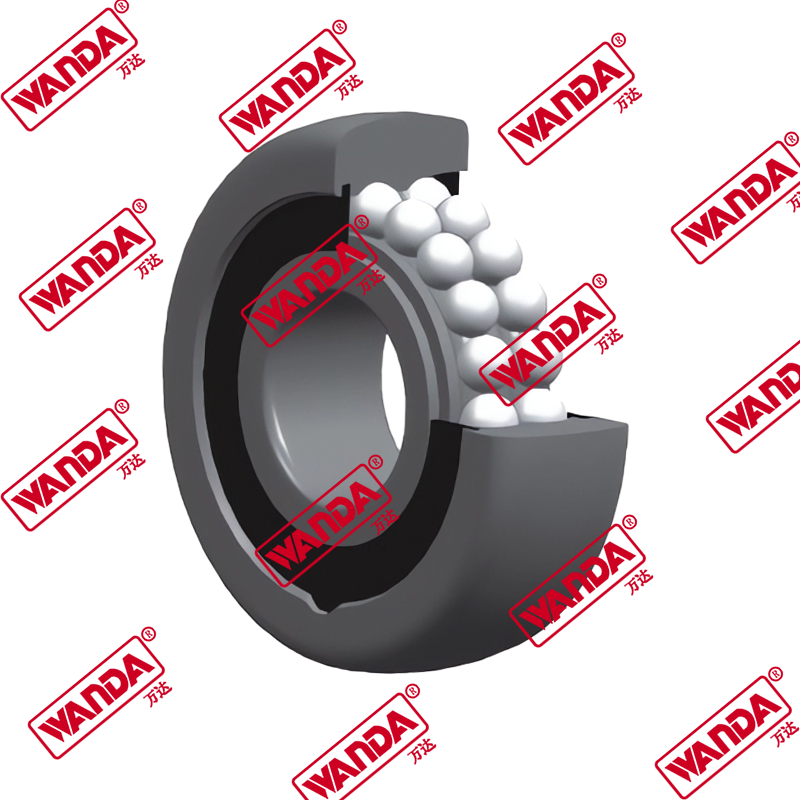
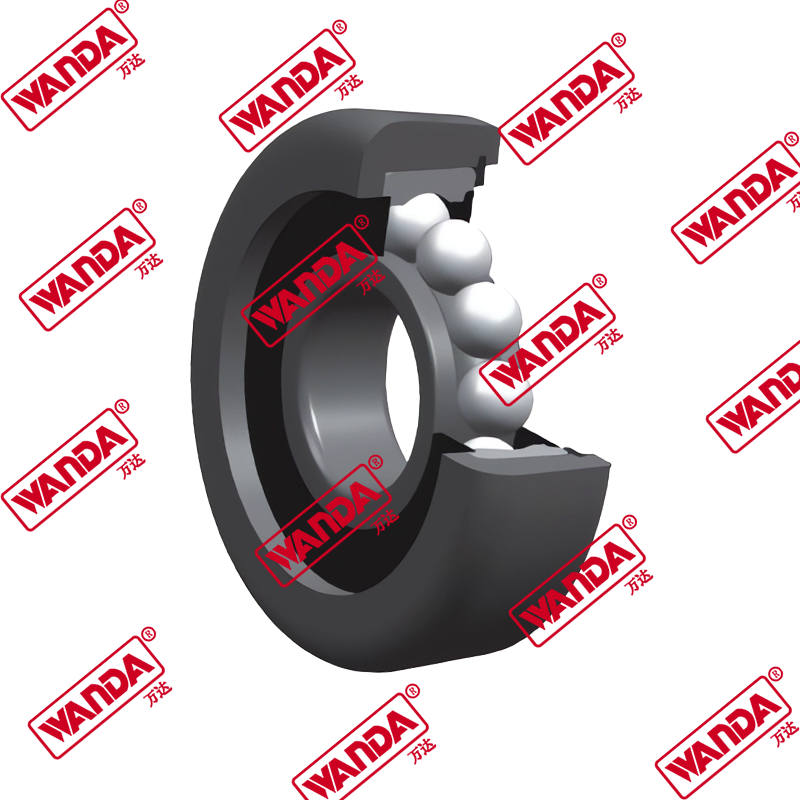
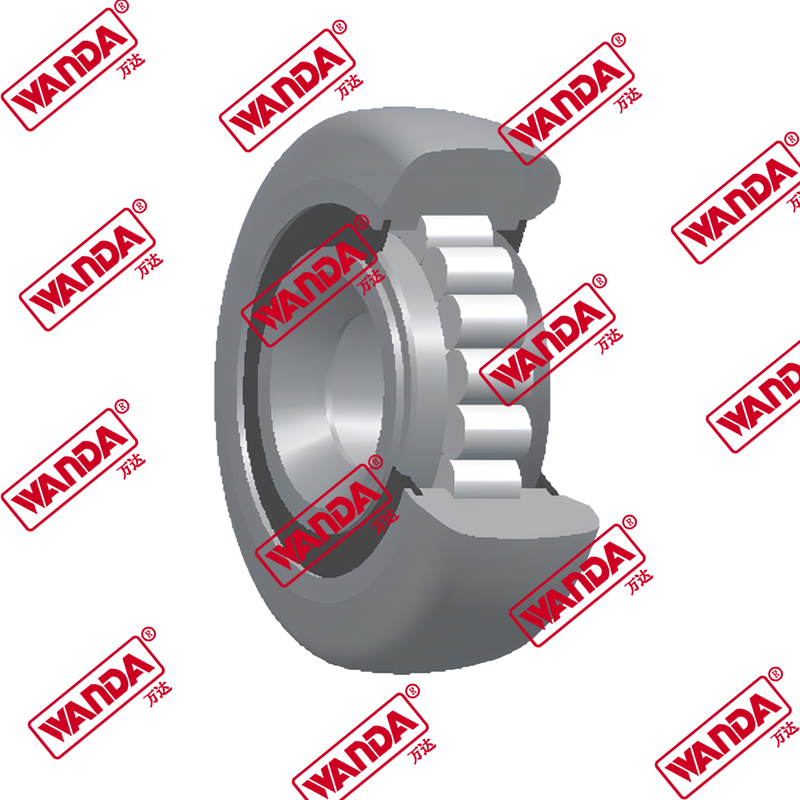
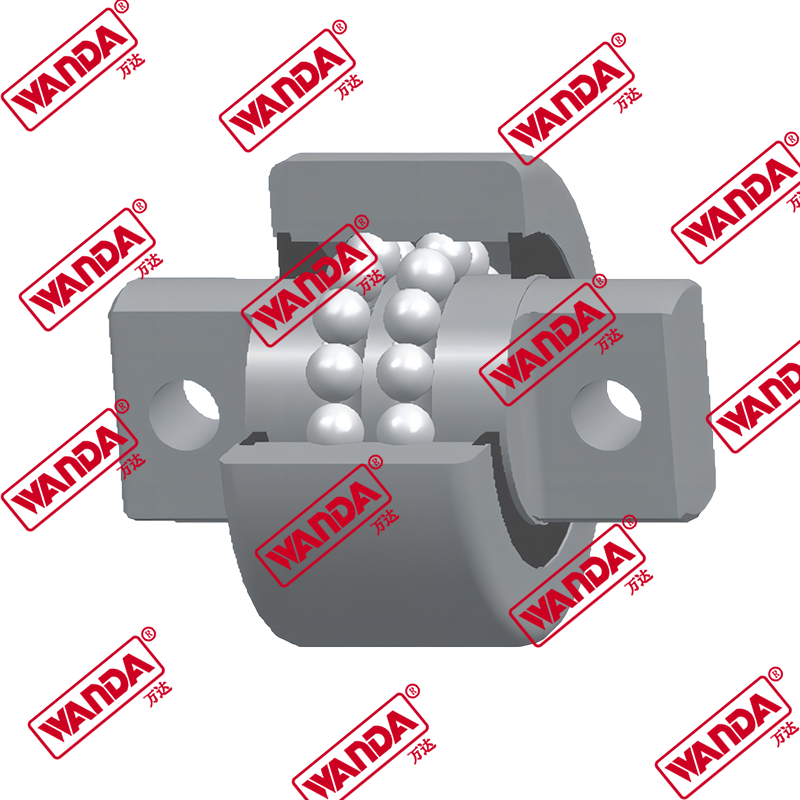
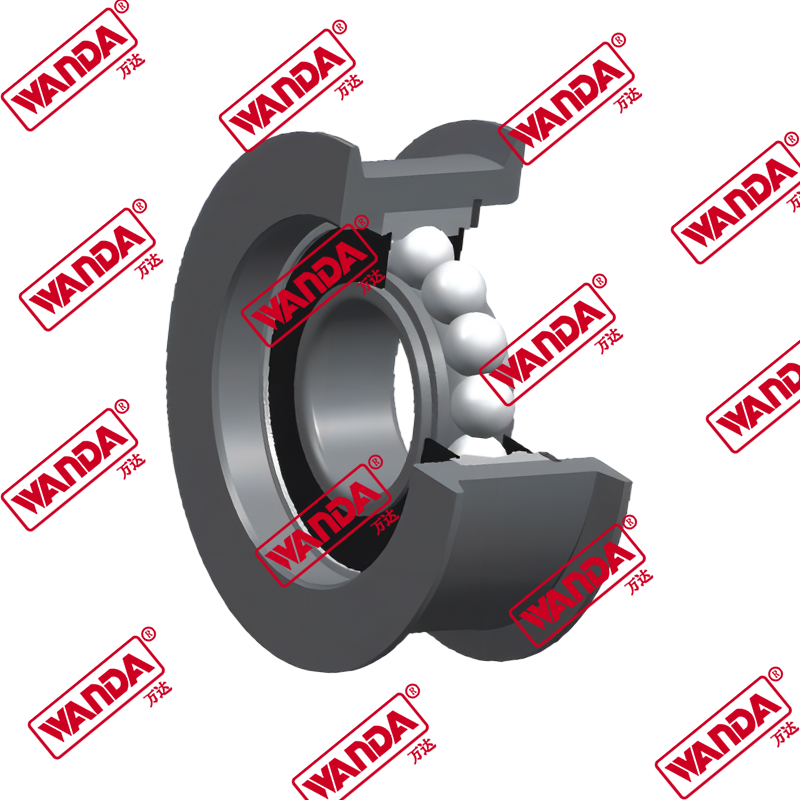
| Forklift Side Roller | Lateral (Side-thrust) | Deep groove ball or specialized needle bearings |
2. Material Science and Wear Resistance
To withstand the rigorous duty cycles of industrial logistics, a Forklift Side Roller is typically manufactured from high-carbon chromium steel (such as GCr15). The outer race undergoes induction hardening to reach a Rockwell hardness of HRC 58-62, ensuring it can withstand the constant abrasion within the mast channel. Understanding how to identify worn forklift rollers involves inspecting the surface for pitting, spalling, or "flat spots" which indicate localized fatigue. Engineers often prioritize heavy duty forklift side rollers for 24/7 cold storage or foundry operations where thermal expansion and contraction can compromise standard bearing tolerances.
Comparison: Standard Steel vs. Hardened Alloy Rollers
The choice of material significantly impacts the Mean Time Between Failures (MTBF) in harsh operational environments.
| Material Grade | Surface Hardness | Expected Service Life (Hours) |
| Standard Carbon Steel | HRC 45-50 | 2,000 - 3,000 |
| Heavy duty forklift side rollers | HRC 58-62 | 5,000+ |
3. Maintenance and Replacement Standards
Proactive maintenance is the cornerstone of operational safety. The forklift side roller replacement cost is negligible compared to the expense of repairing a damaged mast channel, which may require complete replacement if the inner surface is gouged. A key metric in the forklift side roller maintenance guide is the lubrication interval. Using a high-pressure lithium-based grease with molybdenum disulfide (MoS2) helps maintain a protective film even under extreme lateral pressure. Furthermore, technicians must be trained in troubleshooting forklift mast noise; a rhythmic clicking or grinding often signals a failed internal bearing within the side roller assembly.
Step-by-Step Inspection Checklist:
- Visual Inspection: Check for cracks in the outer race and integrity of the dust seals.
- Clearance Measurement: Use a feeler gauge to ensure the gap between the roller and the mast rail meets OEM specifications.
- Rotation Test: Elevate the mast and check for smooth, non-binding rotation under zero-load conditions.
- Lubrication Check: Ensure grease fittings are clear and old lubricant is purged during service.
4. Precision Engineering: Selection Criteria
When specifying components for a fleet, one must consider precision forklift side roller dimensions. Even a deviation of 0.5mm can lead to uneven mast wear. For specialized equipment, custom forklift mast side rollers may be required to accommodate non-standard channel profiles. Engineers should also evaluate the forklift side roller bearing types—sealed units are generally preferred for dusty environments like grain elevators to prevent particulate ingress from seizing the internal rolling elements. Finally, choosing the best forklift side roller for reach trucks requires a focus on high-speed vertical movement where heat dissipation is a primary concern.
5. Conclusion: Maximizing Lift Safety
The Forklift Side Roller is an essential pillar of mast safety and efficiency. By investing in high-quality materials, ensuring precise adjustments, and following a rigorous maintenance schedule, enterprises can drastically reduce the risk of mast failure and operational downtime. In the world of engineering, the smallest components often bear the heaviest responsibilities.
Frequently Asked Questions (FAQ)
1. How often should a Forklift Side Roller be lubricated?
In standard 8-hour shift operations, lubrication should occur every 250 to 500 hours. However, in high-dust or wash-down environments, weekly lubrication is recommended to purge contaminants.
2. What causes a Forklift Side Roller to fail prematurely?
Common causes include overloading, lack of lubrication, misalignment of the mast channels, and environmental contamination (e.g., grit or chemical exposure).
3. Can I replace just one Forklift Side Roller or should I replace them in pairs?
It is best practice to replace rollers in pairs (both left and right side) to ensure even load distribution and prevent the new roller from over-stressing the aged one.
4. How do I know if I need custom forklift mast side rollers?
If your mast has been modified for specialized attachments or if you are operating legacy equipment where standard parts no longer fit the worn channels, custom-dimensioned rollers may be necessary.
5. What is the impact of forklift mast roller adjustment on battery life?
In electric forklifts, poorly adjusted side rollers increase friction, causing the hydraulic pump motor to draw more current. Proper adjustment can improve battery cycle time by up to 5-10%.
Industry References
- ISO 22915-1: Industrial trucks – Verification of stability.
- ANSI/ITSDF B56.1: Safety Standard for Low Lift and High Lift Trucks.
- Bearing Manufacturers Association: Standards for Rolling Element Bearings in Industrial Machinery.