
 English
 日本語
日本語
 русский
 Español
 عربى
عربى
 italiano
In the global material handling industry, the reliability of a forklift depends heavily on its mast and lifting assembly. At the heart of this assembly lies a specialized component known as the forklift gantry sprocket bearing. Unlike standard industrial bearings, these components are engineered to withstand extreme radial loads, frequent shock impacts, and harsh environmental contaminants. This article provides a deep dive into the structural design, material science, and performance comparisons of these critical forklift components.
Content
- 1 Structural Evolution of Gantry Sprocket Bearings
- 2 Technical Comparison Gantry Sprocket Bearings vs Standard Industrial Bearings
- 3 Material Science and Heat Treatment Standards
- 4 Performance Analysis in Different Environmental Conditions
- 5 Common Problems and Failure Modes
- 6 Maintenance Protocols for Extended Service Life
- 7 FAQ
- 8 References
Structural Evolution of Gantry Sprocket Bearings
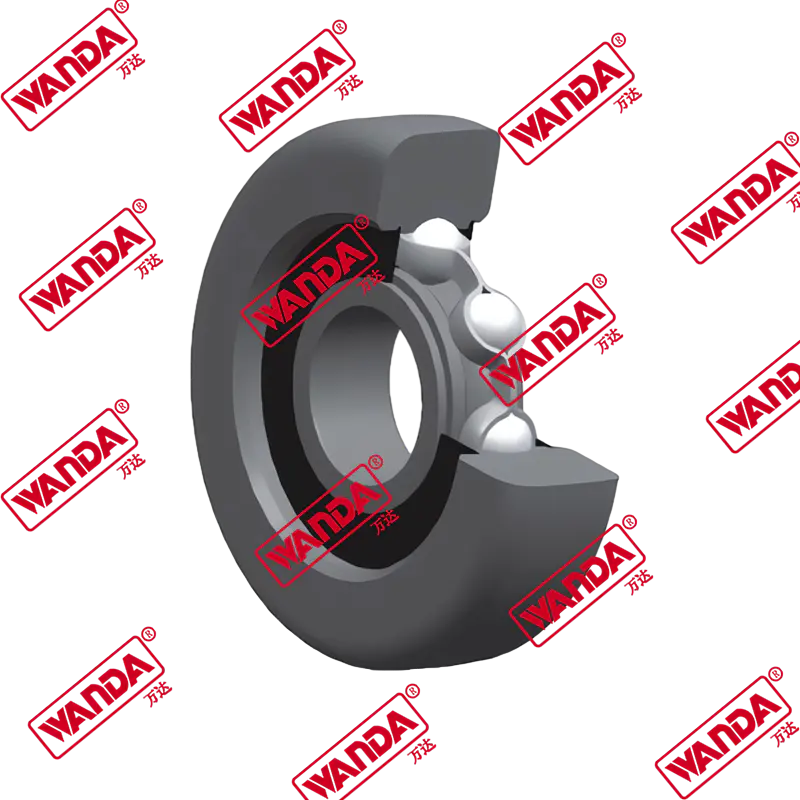
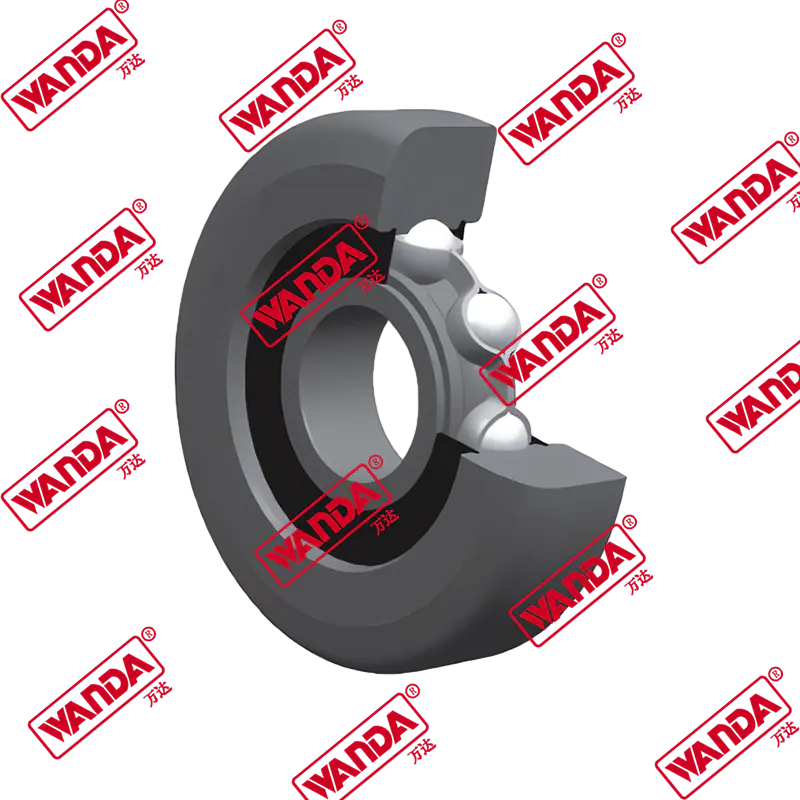
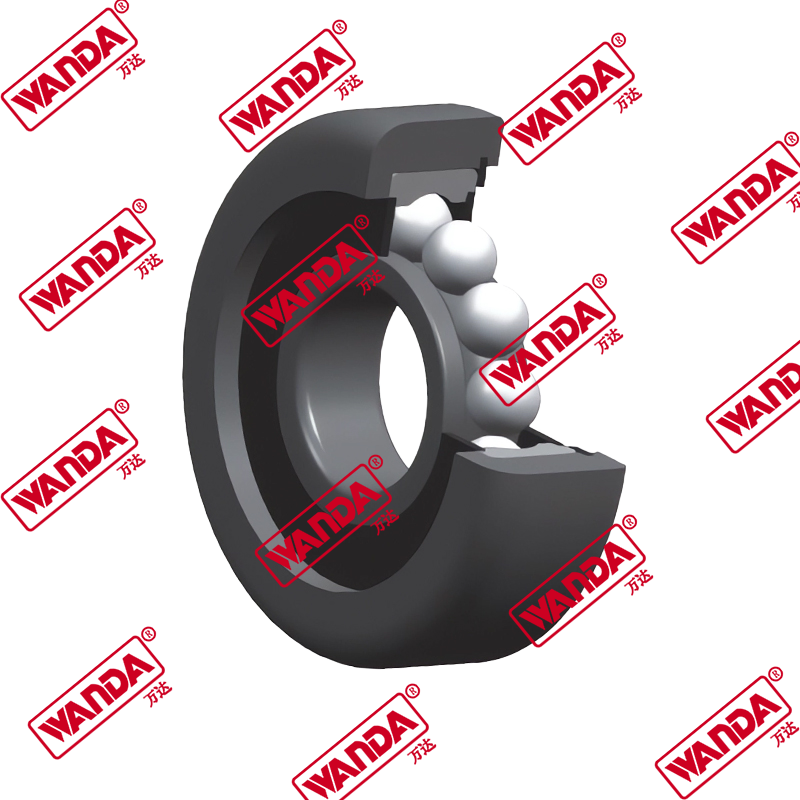
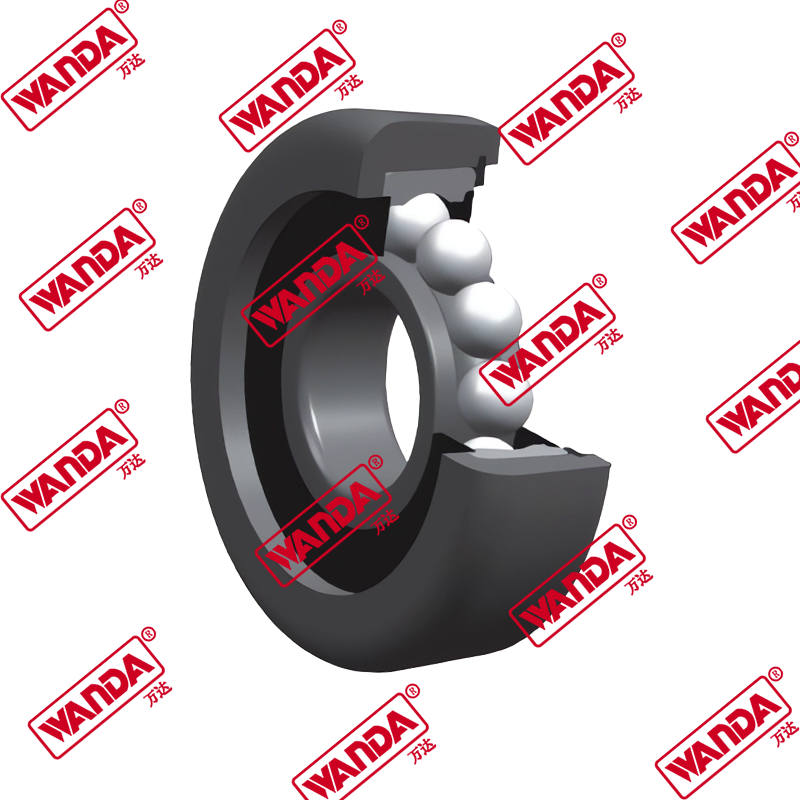
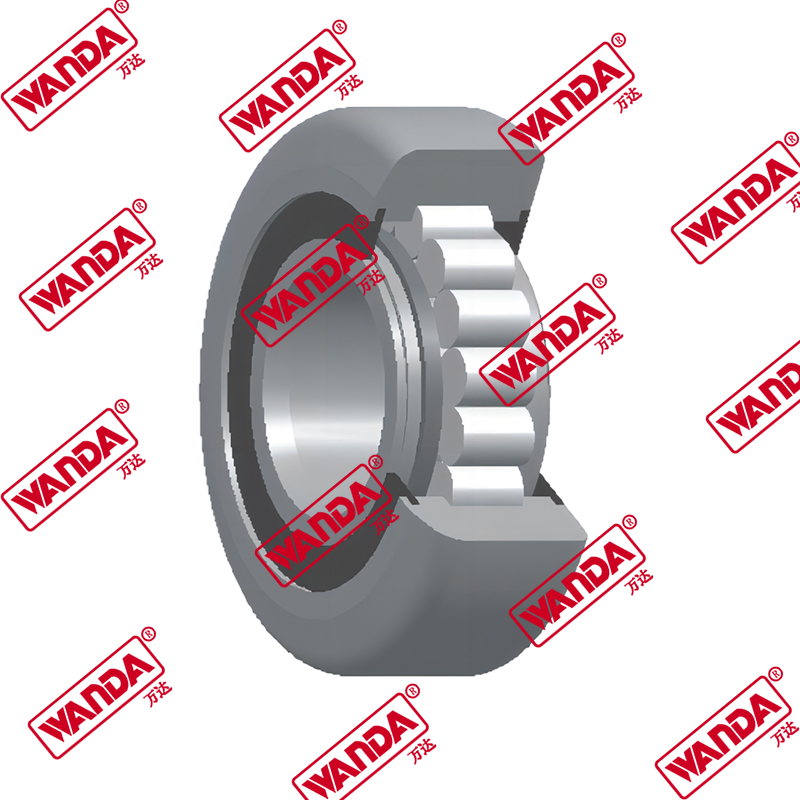
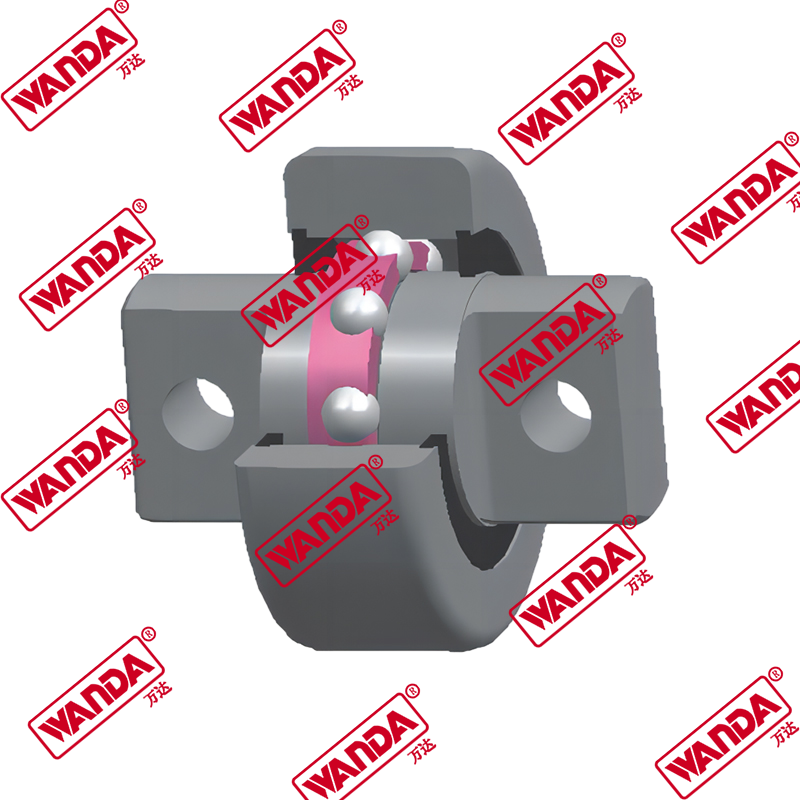
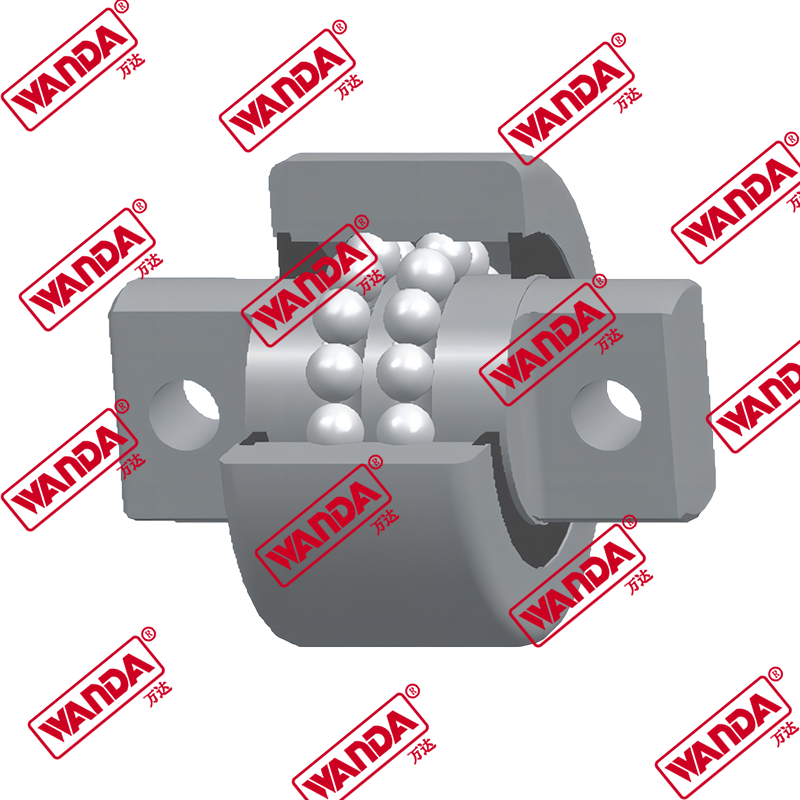
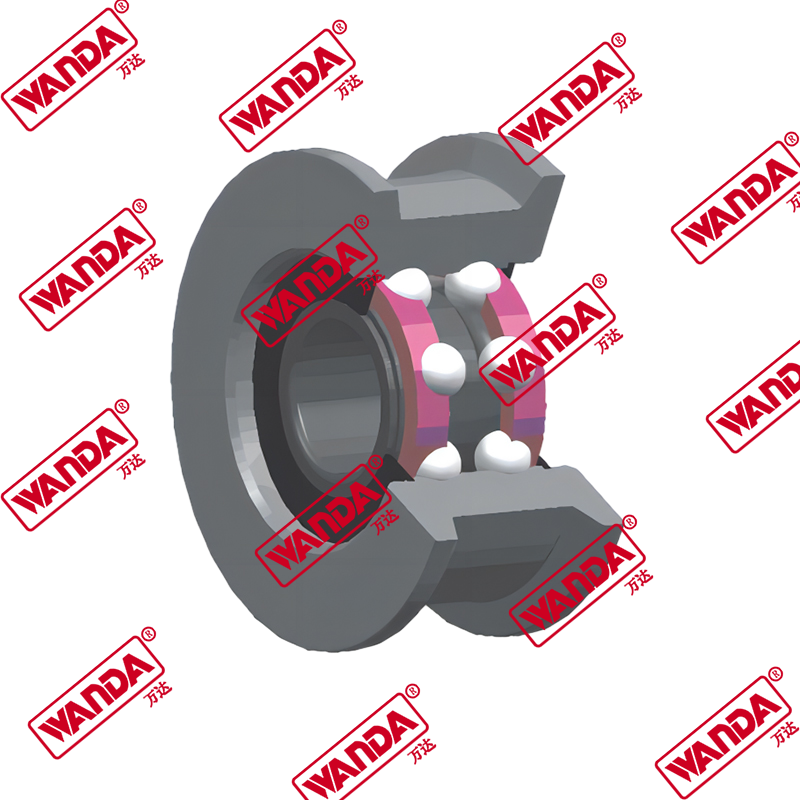
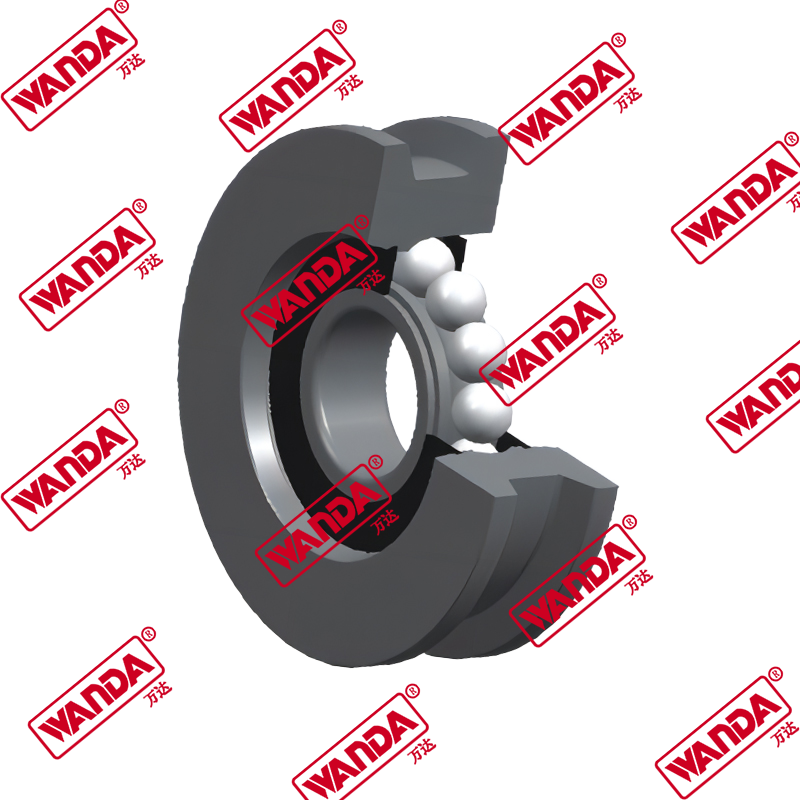
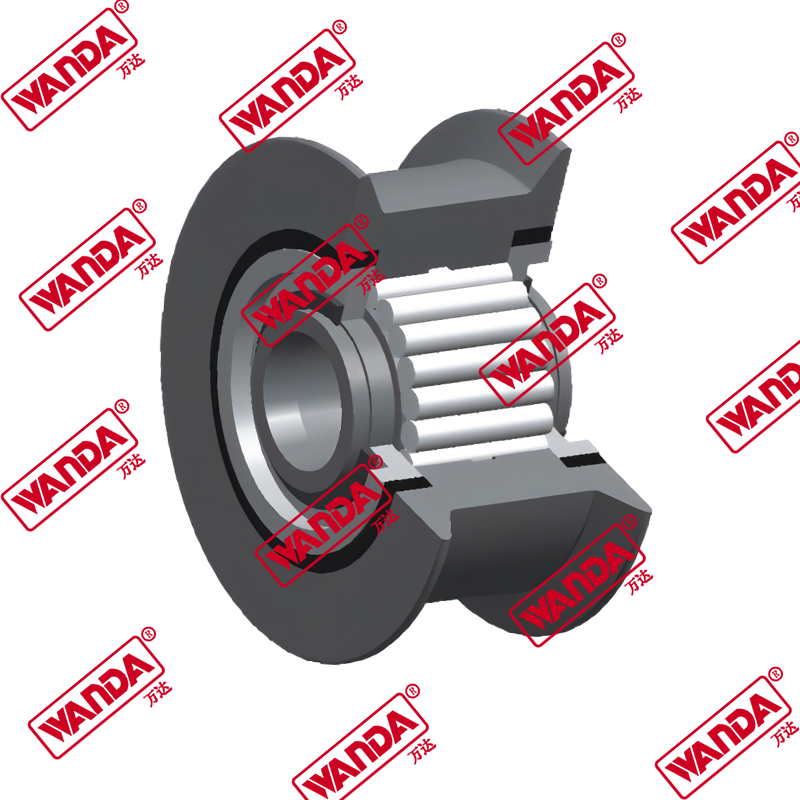
The forklift gantry sprocket bearing, often referred to as a chain sheave bearing or mast roller, serves a dual purpose. It must guide the leaf chain that facilitates the vertical movement of the carriage while simultaneously acting as a load bearing roller within the mast channels.
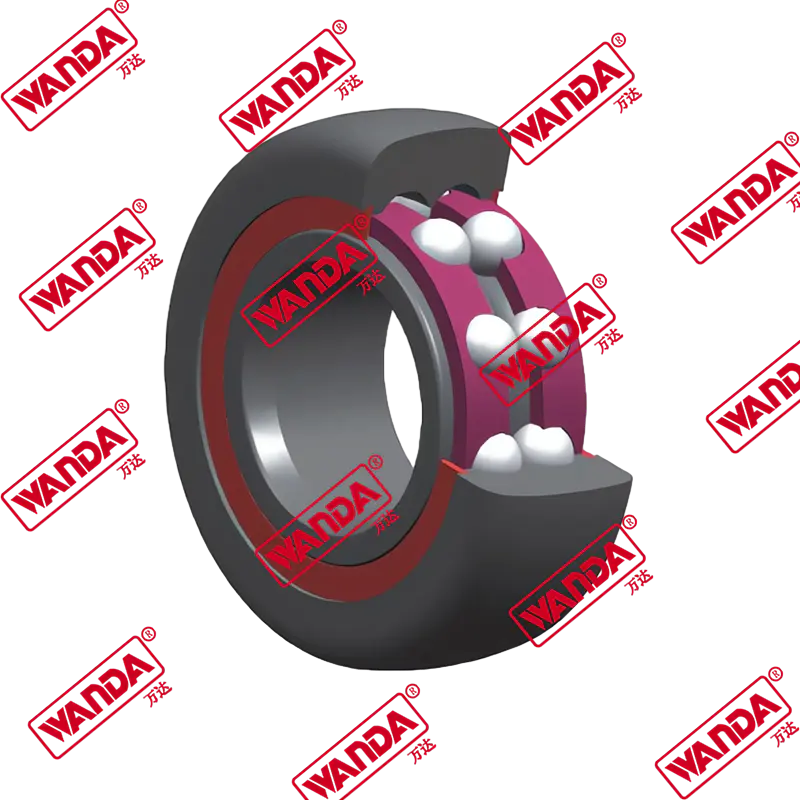
Traditional bearings usually feature a thin outer ring designed to be housed within a machine casing. In contrast, gantry sprocket bearings are designed with an exceptionally thick outer ring. This thick section allows the bearing to function as a wheel, traveling directly along the steel rails of the forklift mast. The internal geometry often incorporates a full complement of rollers or specialized ball arrangements to maximize the contact surface area, which is essential for distributing the massive pressure exerted during high lift operations.
Technical Comparison Gantry Sprocket Bearings vs Standard Industrial Bearings
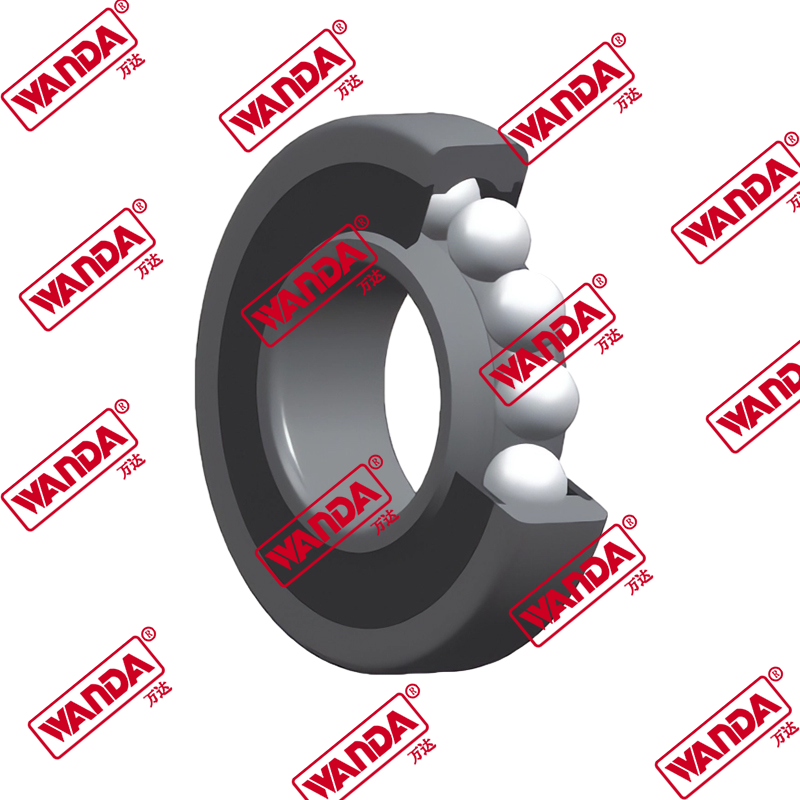
To understand why specialized manufacturing is required for forklift applications, one must compare the technical specifications of gantry sprocket bearings against standard deep groove ball bearings.
| Technical Feature | Standard Industrial Bearing | Forklift Gantry Sprocket Bearing |
|---|---|---|
| Outer Ring Thickness | Thin and uniform | Reinforced and thick section |
| Load Direction | Primarily radial or axial | Combined heavy radial and thrust loads |
| Impact Resistance | Moderate | High (designed for shock loads) |
| Sealing Type | Standard RS or ZZ seals | Multi lip heavy duty contact seals |
| Material Grade | Standard GCr15 | High purity vacuum degassed steel |
| Surface Treatment | Minimal | Anti rust and wear resistant coating |
The table above illustrates that gantry sprocket bearings are not merely larger versions of standard bearings but are fundamentally different in their mechanical DNA. The reinforced outer ring prevents deformation when the forklift carries its maximum rated capacity, ensuring that the mast movement remains smooth and precise.
Material Science and Heat Treatment Standards
The longevity of a forklift gantry sprocket bearing is determined by its metallurgical composition. High quality manufacturers utilize GCr15 high carbon chromium bearing steel as the baseline. However, for B2B export markets where durability is a primary selling point, advanced heat treatment processes like carbonitriding are often applied.
Carbonitriding increases the surface hardness of the bearing while maintaining a tough, ductile core. This is vital because a bearing that is too brittle will crack under the sudden shock of a heavy pallet being dropped or moved quickly. Furthermore, the use of vacuum degassed steel reduces the presence of non metallic inclusions, which significantly extends the fatigue life of the raceways.
Performance Analysis in Different Environmental Conditions
Forklifts operate in a variety of environments, from cold storage facilities to high temperature foundries and dusty construction sites. Each environment poses a unique challenge to the sprocket bearing.
In cold storage, standard lubricants may become too viscous, leading to increased friction and potential bearing seizure. Specialized low temperature greases are required to ensure the sprocket rotates freely. Conversely, in outdoor or coastal environments, salt spray and moisture can lead to rapid corrosion. In these cases, gantry sprocket bearings must be equipped with specialized zinc or chrome plating on the outer diameter to prevent rust from compromising the mast track.
Common Problems and Failure Modes
Despite their robust design, gantry sprocket bearings are subject to wear. Understanding the primary failure modes is essential for maintenance managers and procurement professionals.
- Spalling and Pitting: This occurs when the subsurface of the raceway fails due to metal fatigue. It is often characterized by a loud grinding noise during the lifting process.
- Seal Failure: When seals fail, dust and grit enter the bearing, acting as an abrasive paste that quickly destroys the rolling elements.
- Outer Ring Wear: Because the outer ring acts as a tire against the mast rail, it can wear down over time. If the diameter decreases beyond a certain threshold, the mast will develop excessive play or wobble.
Maintenance Protocols for Extended Service Life
To maximize the ROI of forklift components, a strict maintenance schedule must be followed. Frequent lubrication is the most effective way to prevent premature failure. However, it is not just about the quantity of grease but the quality and compatibility. Using a high pressure lithium based grease with molybdenum disulfide can provide an extra layer of protection under extreme loads.
Regular visual inspections should focus on the alignment of the chain over the sprocket. If the bearing is misaligned, the chain will exert an uneven side thrust, leading to rapid wear on the bearing flanges and the mast channels.
Conclusion of Industry Standards
In the competitive landscape of international trade, providing gantry sprocket bearings that meet ISO and CE standards is the baseline. The true value lies in the precision of the manufacturing process and the ability of the bearing to perform under the specific duty cycles of modern logistics. By choosing high precision bearings with reinforced structures, enterprises can ensure their forklift fleets operate with minimal downtime and maximum safety.
FAQ
1. What is the difference between a mast guide bearing and a gantry sprocket bearing?
While both are used in the forklift mast, a mast guide bearing typically stays within the mast channels to provide stability, whereas a gantry sprocket bearing (or chain sheave) is specifically designed with a groove or flange to guide and support the lifting chain.
2. How often should forklift gantry sprocket bearings be replaced?
Replacement intervals depend on the intensity of the work cycle. In high volume warehouses, these bearings should be inspected every 500 operating hours. They should be replaced immediately if there is visible pitting, excessive noise, or more than 1mm of wear on the outer ring diameter.
3. Why do my bearings fail more quickly in cold storage environments?
Cold temperatures cause standard grease to harden, preventing proper lubrication flow. This leads to metal to metal contact. For such environments, bearings should be pre lubricated with specialized low temperature synthetic greases.
4. Can I use a standard industrial bearing as a substitute for a gantry sprocket bearing?
No. Standard bearings lack the thick outer ring required to withstand the radial pressure of the mast rails. Using a standard bearing will likely lead to a catastrophic failure of the outer ring under load, posing a significant safety risk.
5. What are the signs of a failing gantry sprocket bearing?
Common signs include a jerky motion when lifting the mast, unusual squeaking or grinding sounds, visible rust around the seals, and uneven wear patterns on the lifting chain links.
References
- International Organization for Standardization. ISO 281: Rolling bearings - Dynamic load ratings and rating life.
- American National Standards Institute. ANSI/ITSDF B56.1: Safety Standard for Low Lift and High Lift Trucks.
- Harris, T. A., and Kotzalas, M. N. Essential Concepts of Bearing Technology, Fifth Edition.
- Bearing Specialists Association. Guide to Mast and Roller Bearing Maintenance.
- European Federation of Materials Handling. FEM Section IV: Industrial Trucks.