
 English
 日本語
日本語
 русский
 Español
 عربى
عربى
 italiano
A worn forklift side roller is the single most common trigger for mast channel damage and carriage instability. Replacing any roller that shows a flat wear spot exceeding 1.5 millimeters prevents cascading structural failures, eliminates excessive side clearance, and avoids repair bills that frequently exceed the cost of a full roller set by a factor of ten.
Content
Understanding the Function of a Forklift Side Roller
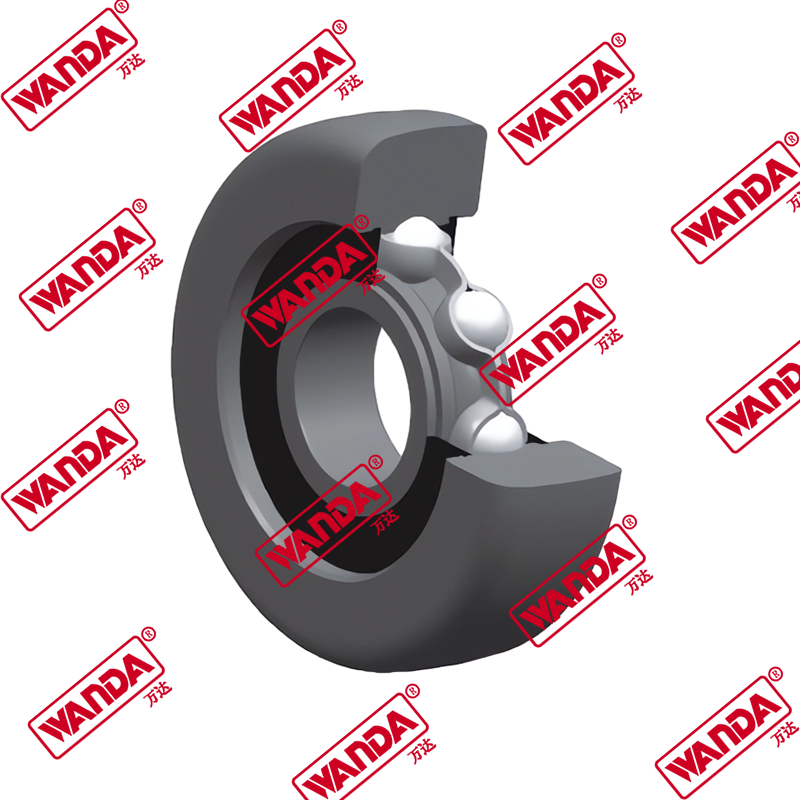
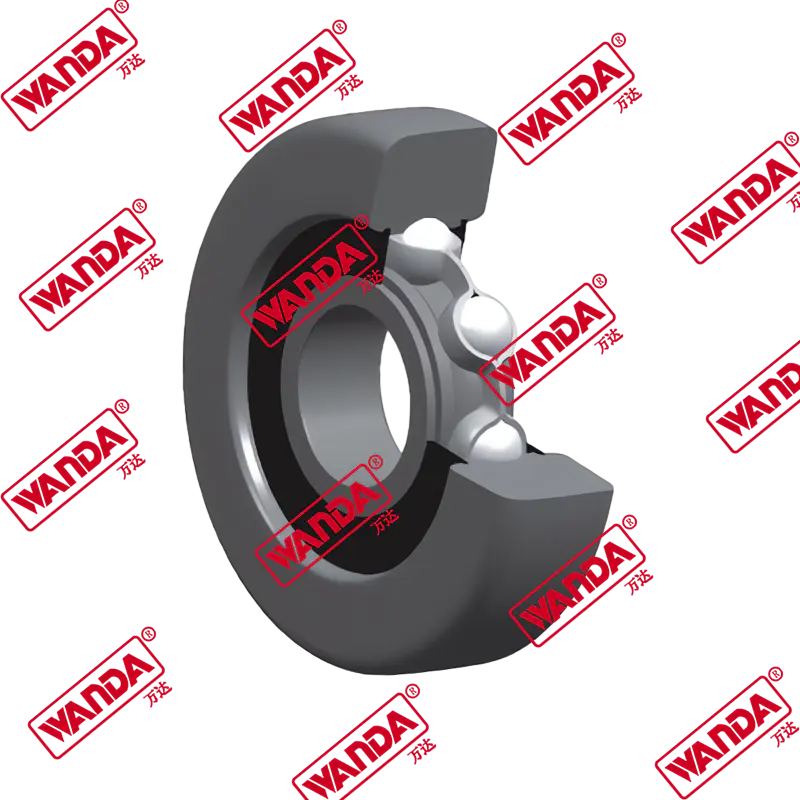
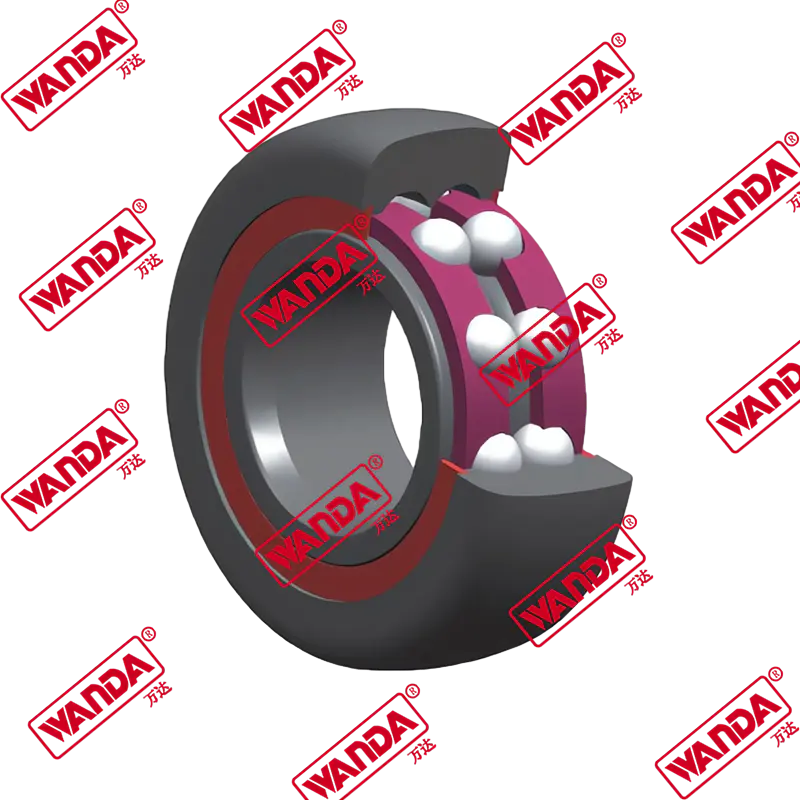
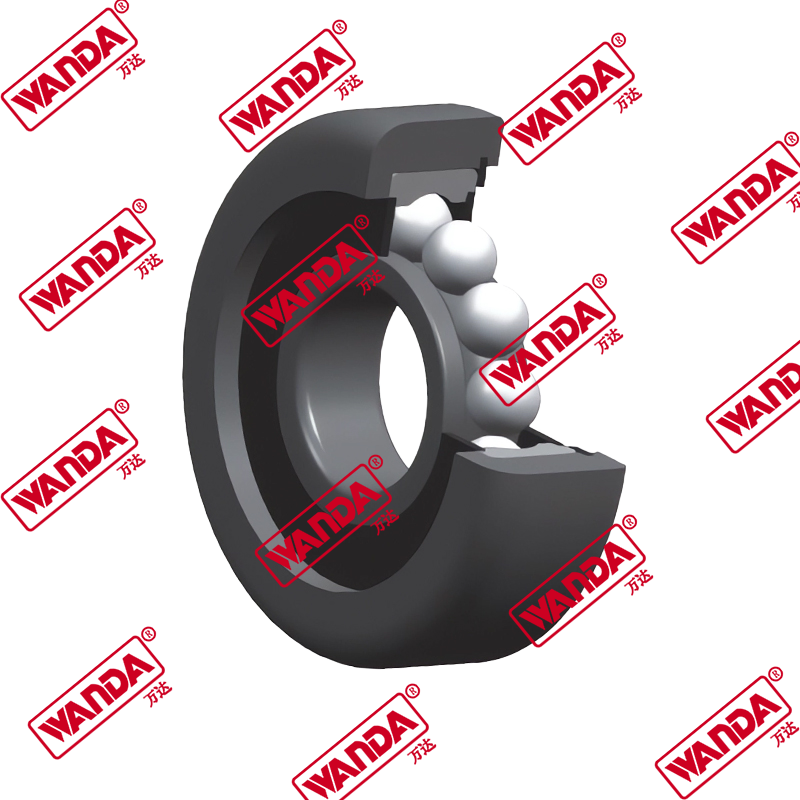
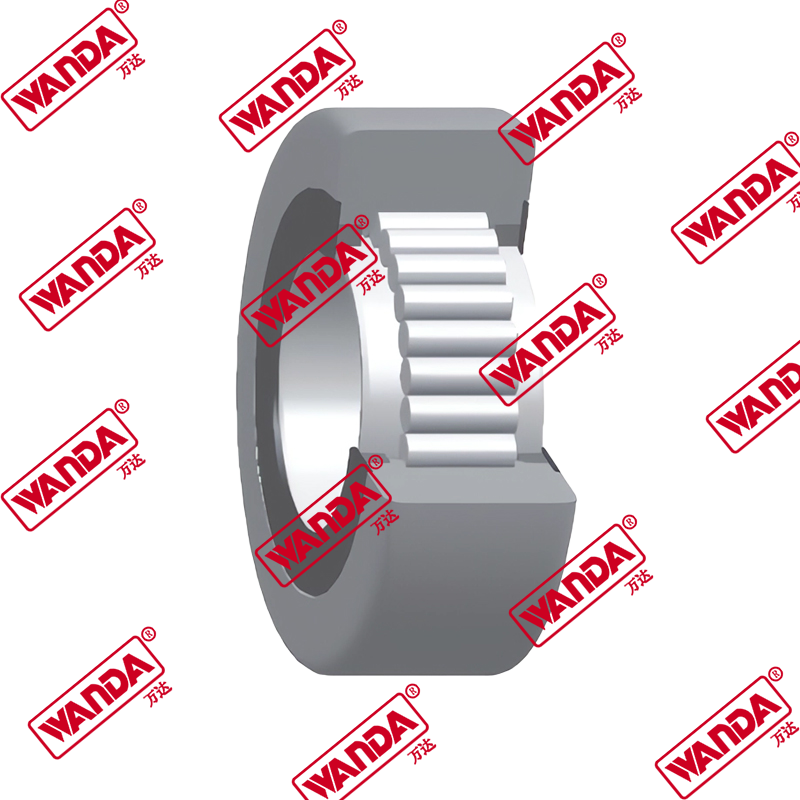
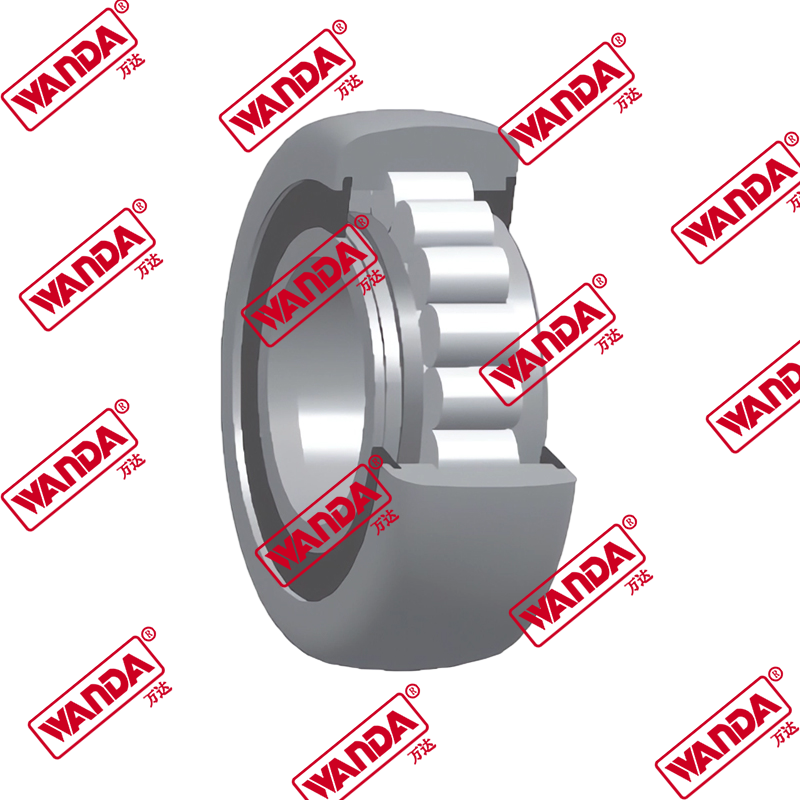
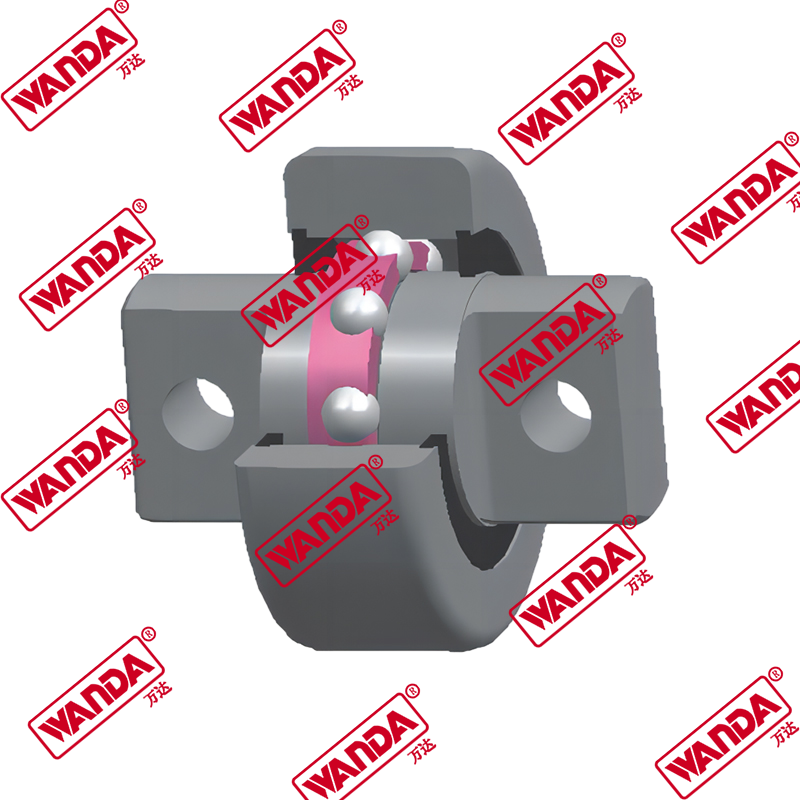
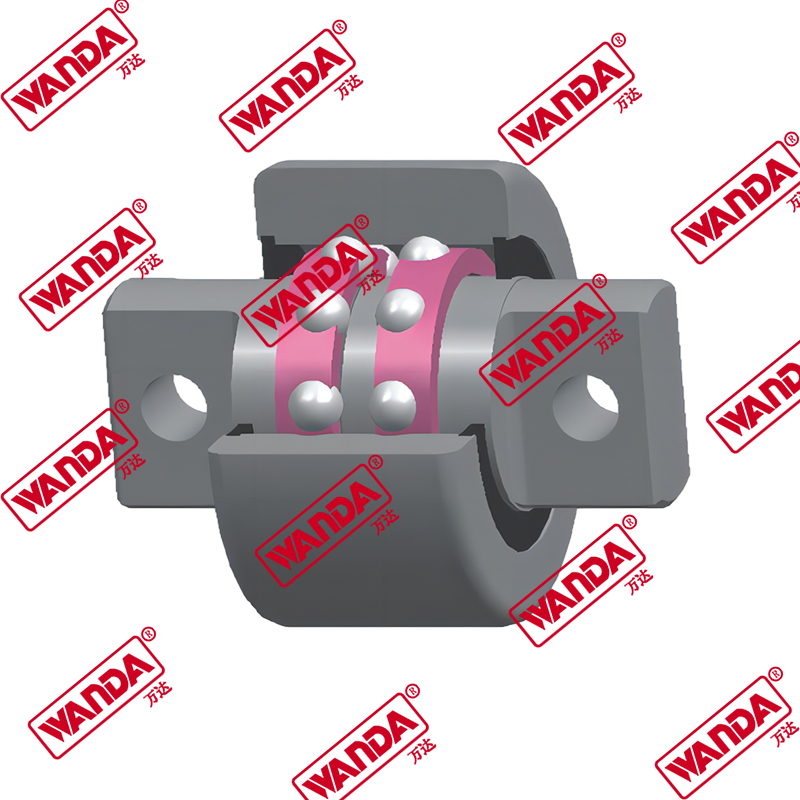
Side rollers are mounted on the carriage or the mast stages and ride against the inner web of the mast channel. Their primary task is to absorb lateral forces generated during cornering, uneven loading, and tilting. Without properly functioning side rollers, the carriage shifts sideways, causing fork tips to misalign with pallet openings and transferring destructive stress into the mast rails.
In a standard three‑stage mast, there can be up to eight side rollers working in pairs. Each roller maintains a precise side clearance, typically between 0.5 mm and 1.0 mm per side. When that gap doubles due to wear, the carriage can tilt laterally by several degrees, creating a dangerous load offset. Field data from fleet maintenance logs shows that a carriage deflection increase of just 15% reduces the allowable residual capacity by enough to destabilize a fully loaded truck on a ramp.
Critical Wear Limits and Failure Indicators
Side rollers do not fail catastrophically without warning. They telegraph damage through measurable wear patterns that can be caught during a daily pre‑shift inspection. The following indicators demand immediate roller replacement.
- A flat spot wider than 1.5 mm on the roller’s running surface, which leads to polygonal wear on the mast rail.
- Radial cracking or chunking on polyurethane rollers exposing the steel core.
- Side clearance at the carriage exceeding 2.0 mm when measured with a feeler gauge at mid‑stroke.
- Shiny metal transfer on the roller face, indicating the grease film has collapsed and metal‑to‑metal contact has begun.
- Audible squealing or rhythmic thumping during mast elevation, often mistaken for chain noise.
A study of 500 forklifts operating in high‑cycle warehouses revealed that trucks with side roller flats above 2.0 mm suffered mast channel wear at a rate 30% faster than those whose rollers were replaced at the 1.5 mm threshold. The accelerated rail wear led to upright replacement in 12% of the fleet within two years.
Material Selection: Polyurethane Versus Steel Side Rollers
The choice between polyurethane and steel directly affects noise levels, structural preservation, and maintenance intervals. The table below captures the trade‑offs documented across mixed fleets.
| Property | Polyurethane Roller | Steel Roller |
|---|---|---|
| Impact on Mast Rail Wear | Minimal, roller sacrifices itself | High, rail can groove within 1,200 hours |
| Operating Noise | Low, vibration dampening | High, transmits chassis resonance |
| Load‑Bearing Capacity | Moderate, up to 3.5 tonnes per roller pair | High, up to 8 tonnes per roller pair |
| Typical Replacement Interval | 1,500 – 2,000 hours | 3,000 – 4,000 hours if rail is lubricated |
| Cost Per Roller (average) | 25 – 45 USD | 35 – 60 USD |
Most cold‑storage and food‑grade environments specify polyurethane because steel rollers transfer moisture and accelerate rust in the mast channels. In heavy steel coil handling, grease‑lubricated steel rollers remain the standard, but their installation demands a weekly greasing regimen to keep rail wear below 0.3 mm per 1,000 hours.
Step‑by‑Step Inspection Protocol
A disciplined inspection routine takes under four minutes and prevents the majority of unscheduled mast repairs. Perform the check with the forks lowered and the carriage at eye level.
- Park the forklift on level ground, apply the parking brake, and switch off the engine. Lower the forks completely to relieve pressure on the side rollers.
- Visually scan each roller for flat spots, cuts, or embedded debris. A roller that does not rotate when pushed by hand indicates a seized bearing, which will flat‑spot within hours.
- Insert a 1.0 mm feeler gauge between the roller and the mast web. If it slides in with zero resistance, measure the actual gap and document any reading above 1.5 mm.
- Check the roller mounting bolt. Shiny rings around the bolt head point to movement; torque should be verified against the manufacturer’s specification, commonly 85 Nm to 110 Nm.
- Raise the mast halfway and repeat the side‑clearance check. A variation of more than 0.3 mm between the bottom and mid‑stroke indicates uneven rail wear, often initiated by a bad side roller.
Replacement Procedure and Torque Specifications
Replacing side rollers is a same‑day repair that should never be postponed once a flat spot reaches the discard limit. Always replace rollers in axle pairs to maintain balanced loading on the mast channel.
Key Replacement Steps
- Block the carriage to prevent creep and relieve lateral tension on the roller assembly.
- Remove the lock nut and withdraw the roller pin. Inspect the pin for grooving; replace if wear exceeds 0.1 mm.
- Clean the mounting bracket surface and apply a thin layer of EP2 grease to the pin before sliding in the new roller.
- Tighten the mounting bolt to the specified torque, typically 90 Nm for M16 fasteners, then back off one‑quarter turn only if the design includes a self‑locking nut with a nylon insert.
- After installation, cycle the mast three times through its full stroke and re‑measure the side clearance. A properly seated roller will settle into a clearance of 0.6 mm to 1.0 mm.
Failing to torque the bolt correctly is a repeated root cause of premature roller failure. Loose bolts allow the roller to chatter against the rail, while overtightened bolts crush the bearing, causing it to seize within 100 operating hours.
The Financial Impact of Neglected Side Rollers
Treating side rollers as a consumable rather than a capital repair item yields a return that far outweighs the parts cost. A set of eight polyurethane rollers costs approximately 280 USD. Allowing those rollers to deteriorate until they gouge the mast rails leads to upright section replacement at 2,500 to 4,500 USD per mast stage.
An operator survey covering 120 distribution centers found that sites practicing proactive roller replacement at a wear limit of 1.5 mm averaged 22% less unplanned maintenance spend on mast systems over a three‑year period. The same group reported zero incidents of load drop caused by carriage binding, a safety event directly linked to worn side rollers in the incident database.
Side roller maintenance is also a factor in OSHA compliance audits. An inspector who measures side clearance beyond the manufacturer’s published limit will cite the truck for an unsafe condition, resulting in immediate downtime and potential fines. Keeping a documented replacement log with clearance measurements turns a passive wear item into a controlled, predictable maintenance event.